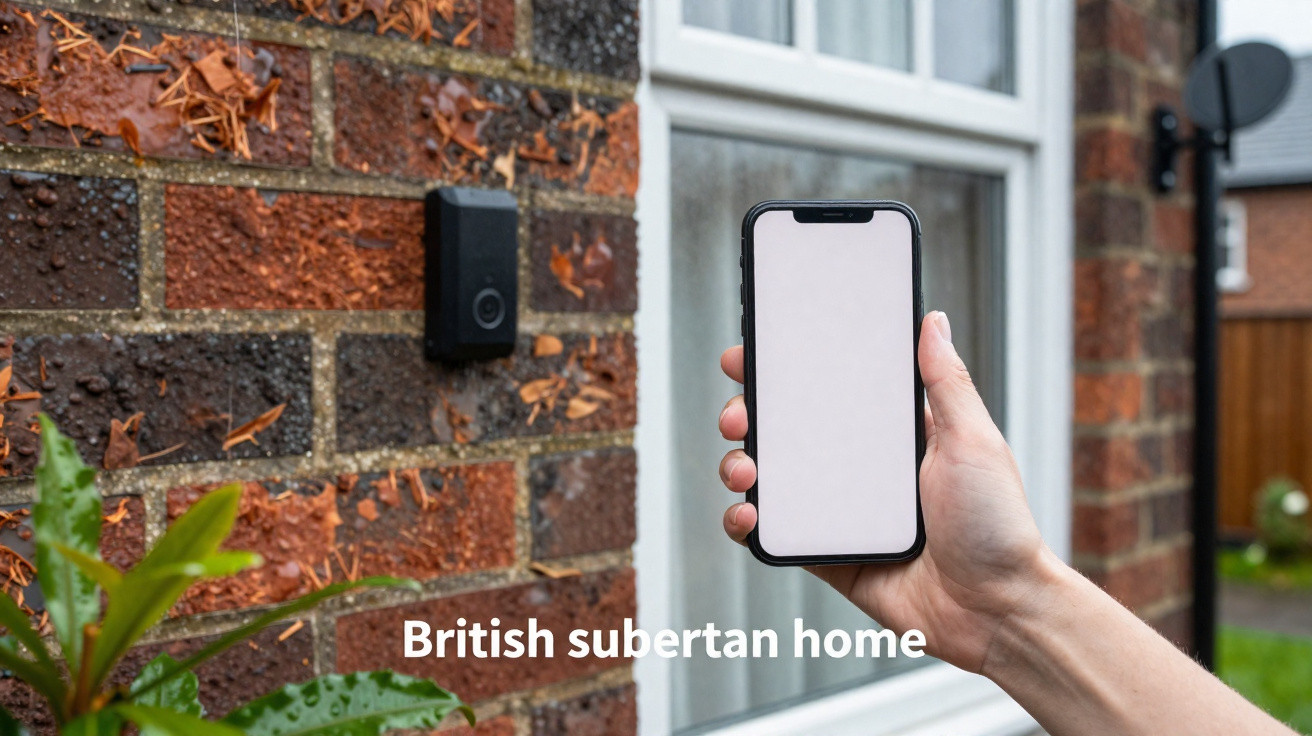
Starlink is best known for broadband delivered through a dish, but SpaceX’s wider ambition is to let an ordinary mobile phone connect where a conventional mast cannot reach. The crucial ingredient is not simply launching more satellites: it is access to suitable radio spectrum, alongside handsets and networks that can use it safely and reliably.
SpaceX says its proposed US spectrum deal is an important step towards direct-to-device services becoming more useful beyond open countryside. It is not, however, a finished UK rollout or a promise of city-like mobile data everywhere. Satellite-to-phone technology is best understood as a potential fallback where terrestrial coverage runs out.
What SpaceX is trying to build
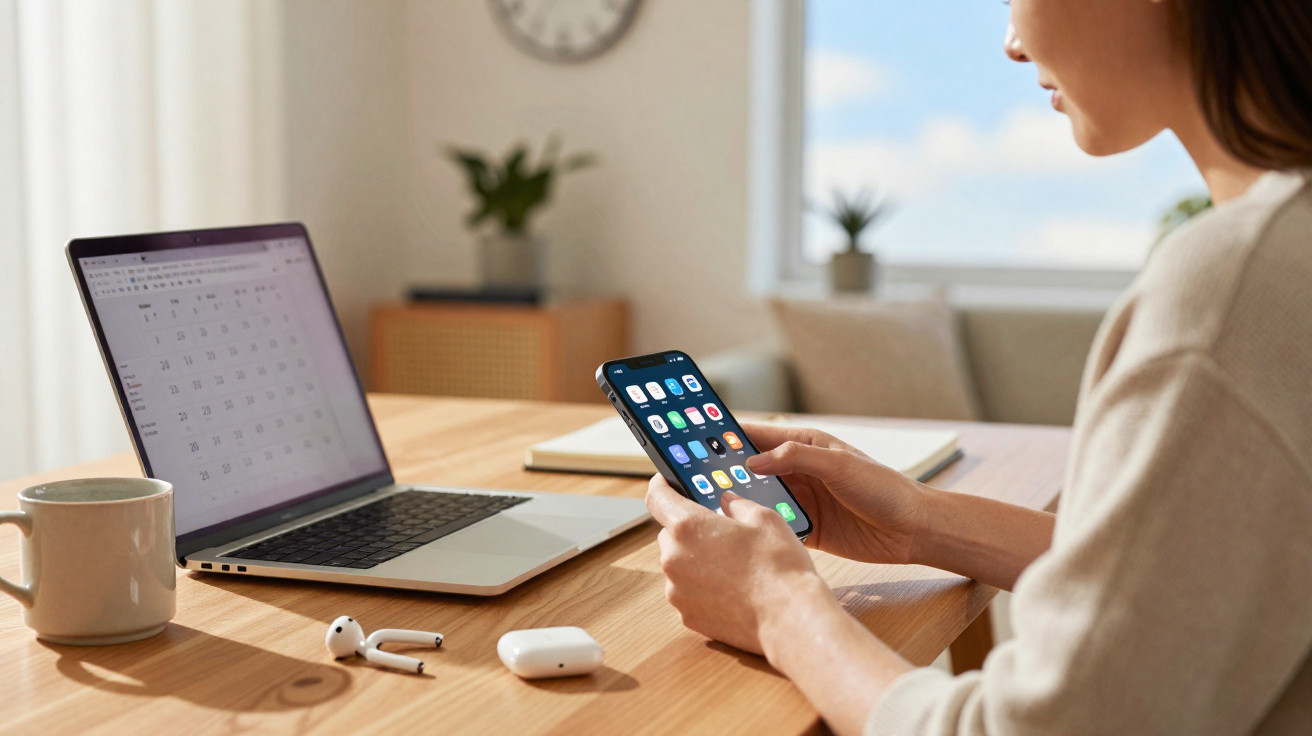
Starlink’s direct-to-device service is designed to send and receive signals from compatible standard mobile phones, rather than through the dedicated terminal used for home Starlink broadband. In the right conditions, it could support communication in remote areas, on rural roads, offshore or when a major event disrupts terrestrial infrastructure.
That differs sharply from fixed satellite broadband. A home terminal is larger, has more power and is installed with a clear view of the sky. A phone has a very small aerial, limited battery power and has to work within the radio bands supported by its hardware.
SpaceX’s stated aim is to combine satellite connectivity with mobile-network infrastructure and spectrum. The practical goal is broader coverage, particularly in places where a handset would otherwise have no usable signal.
Satellite-to-phone services are not a replacement for every mobile mast. Their immediate value is filling some of the gaps between them.
Why radio spectrum is central to the plan
Radio spectrum is the part of the airwaves used by mobile networks, Wi-Fi, broadcasting, aviation and satellite services. It is regulated because users on the same or nearby frequencies can interfere with one another.
Different frequencies have different strengths. Lower-frequency signals can generally travel farther and may cope better with some obstacles than higher-frequency signals. That does not mean they pass through everything, but it can matter when a phone is trying to reach a satellite hundreds of miles above the Earth rather than a nearby mast.
Even with suitable spectrum, direct-to-device links face difficult conditions:
- roofs, walls and metal-clad buildings can weaken a signal;
- dense trees, steep valleys and narrow streets can obstruct the view of the sky;
- a phone’s position and the way it is held can affect its aerial performance;
- many users trying to connect within the same area can constrain capacity.
The attraction of additional spectrum is therefore not simply faster service. It may improve the chance of making a basic connection in real-world situations, rather than only in a clear, open location.
A US deal does not automatically change UK coverage
The proposed transaction concerns US spectrum licences and remains subject to the relevant regulatory process. Until approvals are completed and services are launched, it should not be treated as a guarantee of a particular capability, handset support list or start date.
US spectrum rights do not transfer to Britain. In the UK, Ofcom manages spectrum, and operators and satellite providers need to comply with UK licensing, technical and interference requirements. Commercial agreements with UK mobile networks would also be needed before most customers could use a comparable service.
There are several practical matters to settle before any satellite-to-phone offer becomes routine:
- which phones, plans and mobile networks are supported;
- whether it works for messages only, basic data, voice calls or emergency contact;
- how it shares airwaves with existing users;
- whether it is for outdoor use only or works in limited indoor settings;
- how emergency calling, roaming and location information are handled.
A regulatory approval for satellites is only one part of the process. Spectrum permissions, network integration, handset software and a clear consumer service all matter too.
Why mobile networks are watching closely
Traditional mobile coverage depends on a dense network of masts, fibre links, electricity supplies and maintenance. It provides high capacity where people live and work, but extending it across remote terrain can be costly and difficult.
Satellite systems have a different advantage: they can potentially cover large areas without building a mast in every location. That is relevant to upland routes, farms, coastal work, offshore activity, rural roads and communities affected by storm damage or power cuts.
The trade-off is capacity. A mast can serve a concentrated area with substantial local spectrum and backhaul. A satellite beam covers a much larger footprint and has to share available resources. Early direct-to-device services are therefore more likely to prioritise texts, location sharing and basic data than offer the sort of fast, continuous connection expected from 4G or 5G in a town centre.
A short message sent when there is no terrestrial signal can still be extremely valuable. But broad coverage does not necessarily mean high-speed service.
What it could mean for people in the UK
For now, UK mobile users should regard US developments as an indication of where the market may be heading, not as a change to their present coverage. If satellite-enabled mobile plans arrive more widely, they could be useful for people who spend time beyond reliable mast coverage.
Possible uses include:
- walkers, cyclists and drivers travelling through poorly served areas;
- people working on farms, building sites or coastal locations;
- communities affected by flooding, storms or lengthy power outages;
- travellers who want a basic fallback rather than a second device.
Britain’s weather and varied landscape make resilient communications useful, but no satellite service is magic. Deep valleys, tunnels, tall buildings, heavy woodland and well-insulated properties can all make a connection more difficult. A clear view of the sky remains important.
Three sensible checks before relying on satellite mobile service
Check your usual network first. An operator’s coverage checker is useful, but it is not a promise of reception indoors or at every point along a route.
Read the service terms closely. Check supported phone models, data limits, roaming conditions, outdoor-use requirements and whether calls, texts or data are included.
Carry practical backups. Download offline maps, take a charged power bank and tell somebody your intended route. Do not assume one communication method will always work.
What claims about indoor coverage really mean
Better spectrum may improve the odds of a connection in some buildings, but every property is different. A room near a window, conservatory or timber-framed building may be easier to reach than a basement, stone cottage, steel-framed warehouse or modern property with coated energy-efficient glazing.
Signal quality can vary even within the same room. Moving a few steps, holding the phone differently or standing near a window may make a difference, but users should not expect a satellite link to provide dependable indoor coverage throughout a building.
Wi-Fi calling, well-positioned terrestrial masts and indoor network systems will continue to matter, especially for regular voice calls and data use.
Better spectrum can improve the chance of connecting; it cannot guarantee a strong signal behind every wall.
Common mistakes when following satellite-phone news
- Confusing Starlink broadband with direct-to-device service. A home dish and a phone-only satellite link have different equipment, speeds and limits.
- Assuming a US spectrum agreement covers Britain. Spectrum licences are national, and UK services need Ofcom compliance and commercial arrangements.
- Expecting full 5G-style data everywhere. Initial services may be limited to low-bandwidth uses, especially where many people share capacity.
- Assuming every handset will work. Compatibility depends on radio hardware, software, the mobile network and the frequencies used.
- Treating an announcement as an emergency plan. Coverage can be intermittent and affected by surroundings, congestion and service limits.
Safety and emergency-use reminders
If there is an immediate danger to life, try 999 or 112 whenever any mobile signal is available. Do not spend valuable time repeatedly attempting to establish a satellite connection if another way of raising the alarm is available.
For outdoor trips, check conditions, carry suitable warm and waterproof clothing, conserve battery power and use recognised navigation tools. In the UK, 112 works alongside 999 and may connect through any available mobile network, but it still needs usable coverage.
Do not depend on a new communications service until you have tested it in the places where you expect to need it. If sending a low-bandwidth message, include your location and keep the wording clear and concise.
The practical takeaway
SpaceX’s proposed spectrum purchase matters because spectrum is one of the main barriers to making satellite-to-phone links more dependable. If approved and deployed effectively, it could strengthen basic mobile resilience in parts of the United States.
For UK readers, the important point is that satellite and mobile networks are moving closer together. The useful question is not whether satellites will replace masts, but where a satellite link could offer a vital fallback when the nearest mast is too far away - and whether the service, handset and UK rules make that possible.










Comments
No comments yet. Be the first to comment!
Leave a Comment