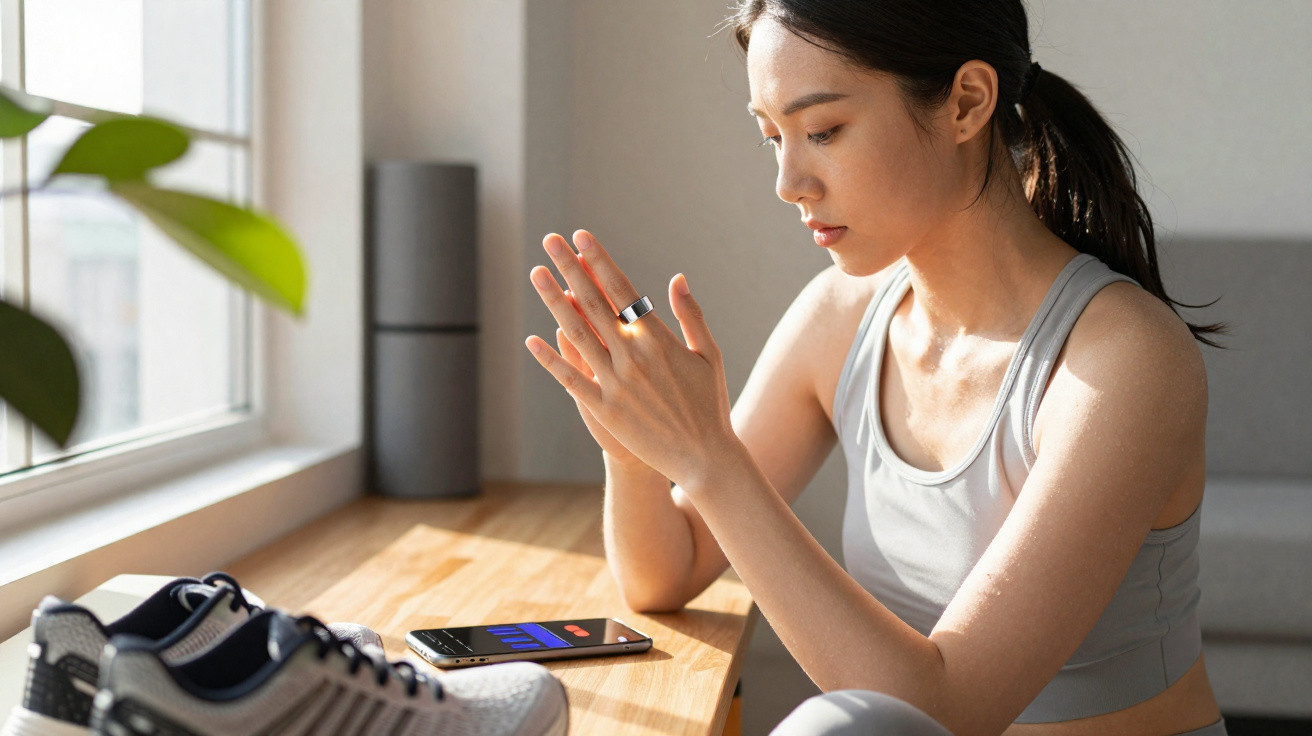
That is the tension: a budget smart ring that monitors overnight blood oxygen patterns and quietly suggests you could be falling ill - as much as 48 hours beforehand. It is a striking claim, yet the experience of using it feels oddly unremarkable.
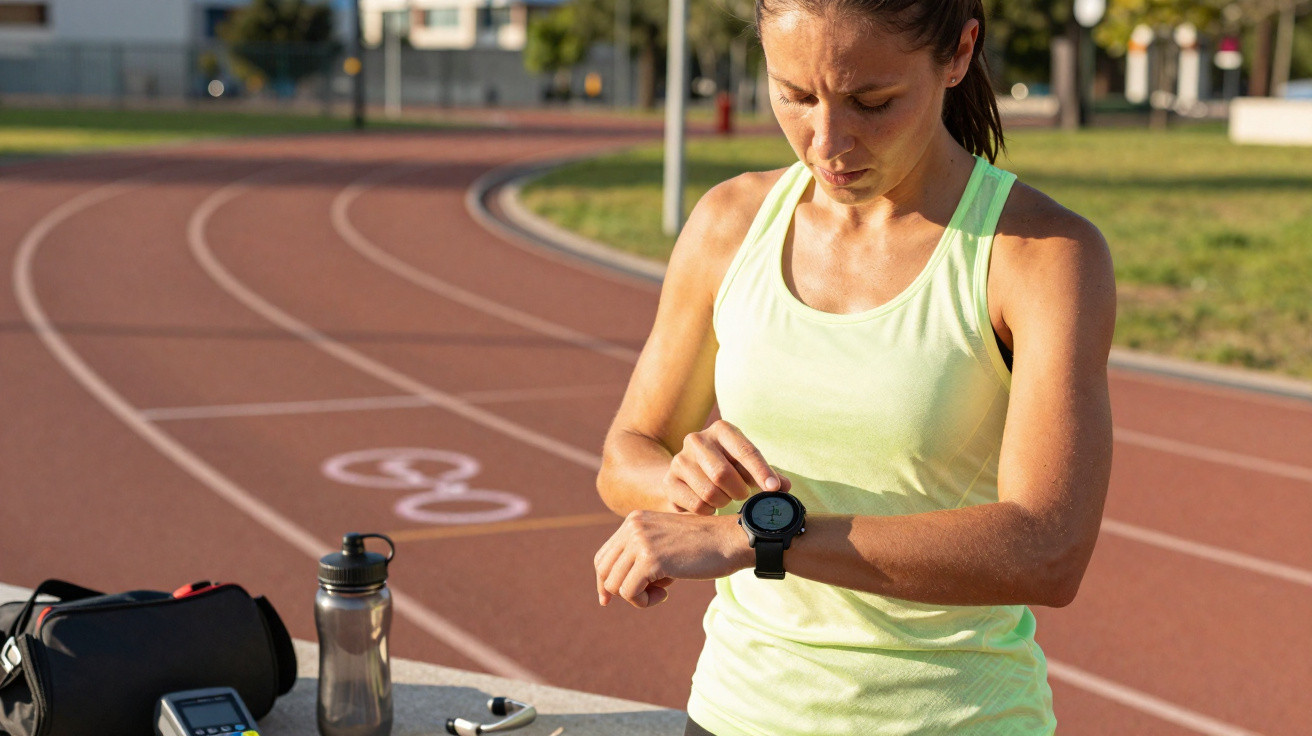
It began in the dim pre-dawn hours before a winter 10K. With the kettle boiling and my legs already restless, I looked at my phone and stopped: “Respiratory strain trending up. SpO2 dip overnight.” The app showed a muted red line across the previous week, revealing a decline I had overlooked while focusing on splits. The pavements outside remained wet and slippery, while my chest felt perfectly normal indoors. I tied my laces regardless. By mile five, breathing felt more laborious than it ought to have done. Two days later, the tickle in my throat became something identifiable. The ring had offered the first prompt - discreetly, almost apologetically.
The £19 smart ring that offers a hint before your body protests
What stood out was not one isolated figure, but how the readings shifted over several days. The ring records blood oxygen during sleep and charts the trend against your personal baseline. A modest but persistent fall - alongside a raised resting heart rate and unsettled, shallow sleep - created a pattern that only made sense to me in retrospect. It was the cadence of something developing: no cough yet, only an early warning.
Maya, a semi-professional cyclist I trained with, described it simply. Her ring identified micro-dips in SpO2 for three consecutive nights, reducing her recovery score by 12%. She scaled back one workout, replacing intervals with an easy ride, and developed the sniffles on Sunday night rather than completely running out of steam on Saturday. She believes that small tactical adjustment prevented a more serious setback. There was nothing dramatic about it; it was prevention sitting in plain view.
The reasoning is straightforward. Oxygen saturation does not collapse with every illness, but slight downward trends can accompany inflammation, congestion or disrupted sleep. The ring does not “diagnose” anything - it simply looks for patterns that are unusual for you. Add reduced heart-rate variability and a small rise in body temperature, and you have a cluster of signals that frequently appears before you start to feel unwell. Treat it like a weather forecast rather than legal proof: a prompt to recover, not a judgement.
How to use a smart ring in everyday life
Build a baseline before placing faith in any warnings. Wear the ring nightly for at least two weeks, on the same finger and with a secure fit. Record straightforward context in the app - late dinners, alcohol and demanding workouts - so the graph can account for your normal fluctuations. Once that baseline is established, changes carry more meaning. One unusual night is simply noise; a gradual decline repeated night after night tells a more useful story.
Make a single modest choice whenever the trends begin to move. If SpO2 is edging down while your resting heart rate rises, replace high-intensity training with easy aerobic work, or postpone that long run by 24 hours. Keep hydration plentiful and uncomplicated. Guard your sleep window, and avoid the blue-light mayhem after 9pm. We have all experienced a “small tickle” becoming much worse because we insisted on completing a session that was unnecessary. Let the ring act as the teammate saying, “Not today.” I was reluctant to accept that a £19 ring could spot my flu two days before I did.
It is worth approaching common errors with some generosity. Do not seek perfect readings; look for the pattern. Finger fit matters more than most people expect: a loose ring can produce erratic readings, while one that is too tight will be unpleasant to wear. Cold hands may also disrupt signals, so warm them before bed on freezing nights. Do not compare your 94% with somebody else’s 98%; compare your 94% with your typical 96–97. And yes, take time to rest when the pattern recommends it. Honestly, no one manages that every day.
After a month of testing with athletes amid the usual messiness of everyday life, this was what stayed with me.
“It’s not the single red flag. It’s the stack of little yellows that saves your week,” said Maya, rubbing a ring-shaped tan line after a block of winter miles.
- Focus on trends, not a diagnosis: changes across three nights matter more than one strange reading.
- A 48-hour heads-up: regard it as a likelihood, rather than a guarantee.
- £19 lets you try it without treating it too preciously.
- Use the information to make one decision today, rather than trying to plan everything forever.
What the £19 smart ring means for athletes and everyone else
The benefit is not medical wizardry; it is timing. Identifying a decline early allows you to reorganise a week at a lower cost - the workout you skip today could preserve three you might otherwise miss later. For people who do not train, the principle is identical, though the consequences differ: move an important meeting if your trends are declining, prioritise sleep, and avoid late-night doom-scrolling. Small adjustments can produce better results.
I kept returning to the fact that we celebrate only visible successes - a new PB or a clean bill of health - while overlooking quieter ones. The run you chose not to force. The cold that never properly took hold. A ring will not prevent illness, but it may alter the way it reaches you. There is something almost homely about this, rather like checking the forecast before putting washing outside. That is precisely the appeal: a little advance insight into your body’s weather can change the course of the day.
There is a cultural element as well. We speak endlessly about pushing through, and far less about deliberately easing off. This small device makes easing off feel like a strategy rather than an excuse. On any given week, the bravest choice is often the boring one. That applies as much to Sunday league as it does to the school-run routine. The ring simply makes the sensible choice easier to recognise - and easier to justify to yourself.
| Key point | Detail | Why it matters to the reader |
|---|---|---|
| Early trend detection | Tracks SpO2, resting heart rate, HRV and sleep to establish your baseline | Helps you identify changes 24–48 hours before symptoms appear |
| Low cost, low effort | £19 price, lightweight sleep-focused design and week-long battery life | Straightforward to use without committing to an expensive ecosystem |
| Actionable prompts | Use trends to switch sessions, protect sleep, hydrate and postpone stressors | Converts data into one decision for today, rather than information overload |






Comments
No comments yet. Be the first to comment!
Leave a Comment