
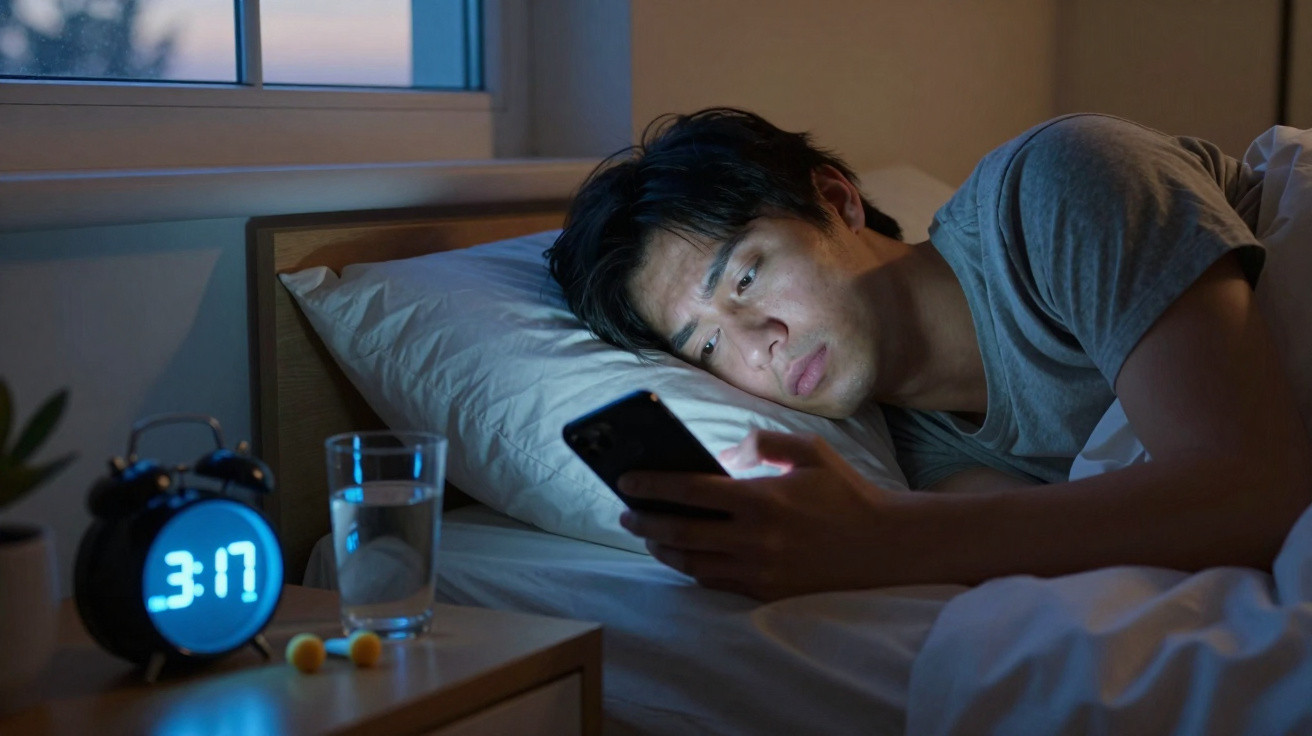
Many people lie down in bed intending to check social media “just for a moment”. In practice, that choice can seriously undermine sleep, turning what should be a peaceful bedtime into an obstacle to the night-time rest everyone needs.
How does the electronic device affect your night?
Keeping an electronic device right beside your pillow interferes with your body’s natural biological rhythm. With notifications always within reach, it becomes harder to properly switch off, leaving the brain on standby and making it more difficult for the mobile phone not to get in the way.
When screens stay close, interruptions become more common and break the night’s restorative flow. Below are key points supported by science that clarify how this harmful bedtime habit disrupts recovery and shines blue light straight into your eyes.
- Screen on: the glow from the display stimulates brain activity at the wrong time.
- Constant notifications: sounds and alerts near the pillow stop relaxation from settling in.
- Broken sleep: repeated disturbances wreck the deepest stages of healthy rest.
Why does tiredness appear so early?
Waking up drained is often the direct result of a night disturbed by electronic screens. If someone falls asleep with the device beside them, sleep tends to become fragmented, preventing the body from reaching the deep phases required for genuinely restorative rest.
Over time, this ongoing morning fatigue reduces day-to-day performance for people who only meant to take a quick look at updates. Keeping the mobile phone switched on disrupts the body clock, creating tiredness that science shows can be harmful to human health.
What is the effect of brightness on the brain?
Late-night exposure to light directly affects the production of substances that regulate healthy rest. The visual stimulation caused by blue light confuses internal processes, leading the brain to mistakenly interpret the environment as daytime and resist the relaxation it needs.
Night-time Brain Stimulation
How the mind responds to stimuli
Light from screens keeps the mind alert at unsuitable hours. Repeated notifications and vibrations close to the pillow interrupt restorative cycles.
The result is broken sleep and that early-morning tiredness, undermining the ideal rest the body depends on.
Many people lose track of time while checking updates in bed and do not notice the real harm being done. Looking at practical evidence on the topic, the main distraction factors linked to the mobile phone that quietly disrupt your sleep include:
- Screens left on during the night
- Constant vibrating alerts near your face
- “Quick checks” that stretch out insomnia
How do the interruptions of broken sleep happen?
Rest becomes fragmented when notifications repeatedly light up the screen throughout the night. This damaging pattern blocks deeper sleep, meaning rest is repeatedly cut short by noise and artificial light that negatively affects the human brain.
Staying watchful of the device also stops the physical and mental unwinding needed for health. Understanding the impact of this behaviour is a useful warning sign, as we outline below through the main negative effects of blue light identified by modern science.
- Waking up often in the middle of the night
- Struggling to slip back into deep rest
- Feeling extreme tiredness as soon as morning arrives
What can you do to regain ideal rest?
Changing your night-time routine is the first step towards avoiding early-morning exhaustion. Moving the mobile phone away from the pillow removes the temptation of one last scroll on social media, helping to create the right conditions for restorative sleep.
By shielding the bedroom from artificial light stimuli, the body can recover its functions properly. Prioritising a fully dark room that is free of devices restores complete rest and helps protect your brain from daily burnout.

Comments
No comments yet. Be the first to comment!
Leave a Comment