
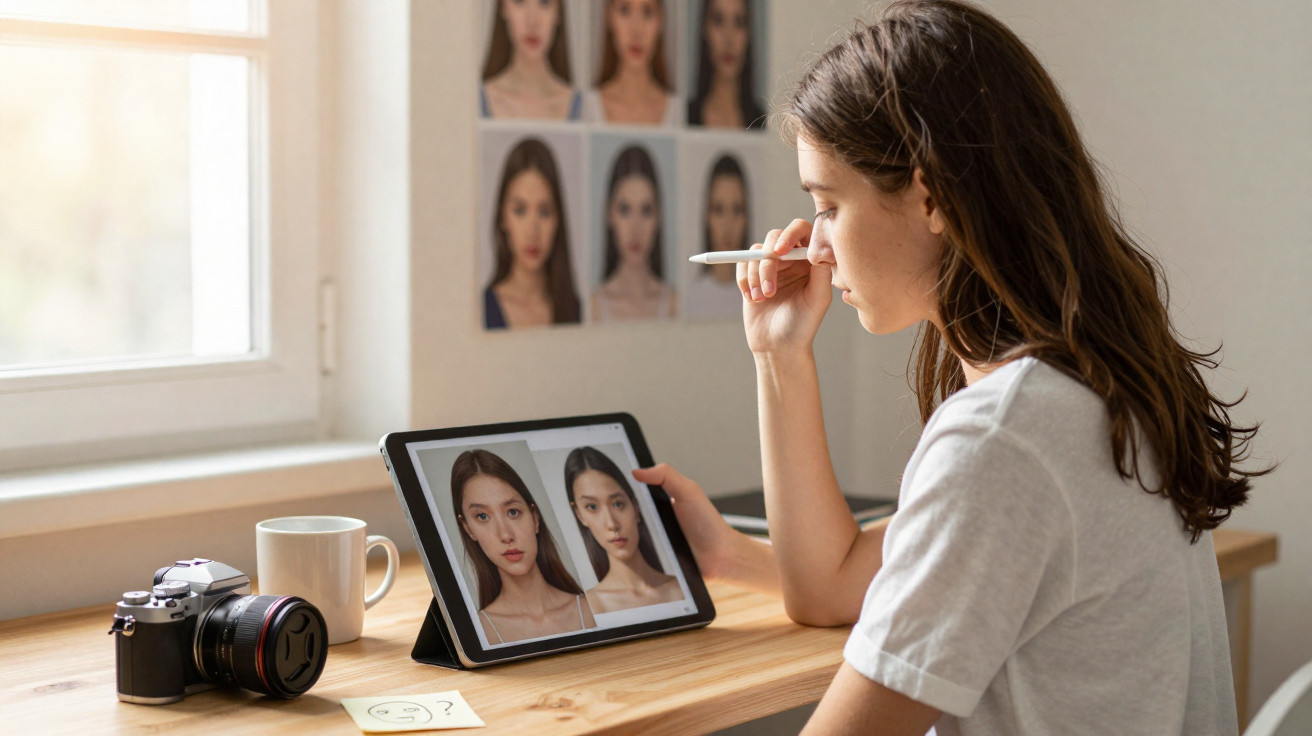
Apple has been running adverts for its new Clean Up feature, which is designed to remove unwanted elements from a photo. One of those adverts grabbed my attention over the weekend, so I updated my software to give it a go.
The feature has been available in Australia since December for Apple customers who meet particular hardware and software requirements. It is also available to customers in New Zealand, Canada, Ireland, South Africa, the United Kingdom and the United States.
Clean Up relies on generative artificial intelligence (AI) to analyse what’s in the scene and flag items it thinks could be distracting. In the screenshot below, you can see the suggested targets highlighted.
After that, you can tap a highlighted suggestion to remove it, or draw a circle around objects you want deleted. The device then uses generative AI to generate a plausible fill, based on what surrounds the area you removed.
Easier ways to deceive
Photo-editing apps for smartphones have existed for well over ten years. The difference now is that you no longer have to download a separate app, pay for it, or spend time learning a new interface. If your device is eligible, these options are built into the phone’s default photos app.
Apple’s Clean Up sits alongside a range of comparable tools from other tech firms. Android users may already be familiar with Google’s Magic Editor, which uses AI to move, resize, recolour or erase objects. Owners of certain Samsung devices can also remove elements from images using the editing tools inside the built-in photo gallery.
There have always been methods - analogue, and later digital - for misleading people. But when those capabilities are folded into existing software and offered in a free, straightforward way, using them becomes dramatically easier.
Editing photos with AI, or generating entirely new images, also creates urgent questions about how much we can rely on photographs and videos. We depend on what cameras capture for everything from police body and traffic cameras to insurance claims, as well as confirming parcels have been delivered safely.
If newer technology is chipping away at confidence in still images - and even in video - then we need to reconsider what it really means to trust our own eyes.
How can these tools be used?
The appeal of deleting unwanted details is easy to understand. If you’ve visited a packed tourist attraction, the idea of removing other visitors so the setting stands out more can be tempting (see the before-and-after images below).
But removing distractions is only one use. What else might people do with these tools?
Some use them to strip out watermarks. Photographers and companies often add watermarks to protect their work from unauthorised use. Deleting the watermark may make misuse less obvious, but it does not make it lawful.
Others may use such features to change evidence. For instance, a seller could edit a photo of a damaged item to claim it was in good condition before it was sent.
As editing and image-generation tools spread and become simpler to operate, the range of uses expands in step - and some of those uses can be unsavoury.
AI generators can already produce realistic-looking receipts, for example. That could allow someone to submit fabricated receipts to an employer in an attempt to be reimbursed for expenses they never actually paid.
Can anything we see be trusted anymore?
With changes like these, what should we understand by having "visual proof" of an event?
If you suspect an image has been altered, zooming in can sometimes expose oddities where the AI has made a mess of the details. Below is a zoomed-in view of areas where Clean Up generated new pixels that don’t quite align with the original content.
It is generally simpler to tamper with a single image than to convincingly alter multiple photos of the same scene in a consistent way. That’s why requesting several outtakes showing the same setting from different angles can be a useful way to check what you’re being shown.
In many cases, seeing something in person is the most reliable option - although that won’t always be feasible.
A bit of extra checking can also be valuable. In the example of a fake receipt, does the restaurant actually exist? Was it open on the date printed on the receipt? Do the menu items match what the receipt claims was purchased? Does the tax rate line up with the local area’s?
Of course, verification steps like these take time. As AI editing and generation become riskier, systems that can automate routine checks are likely to become more popular.
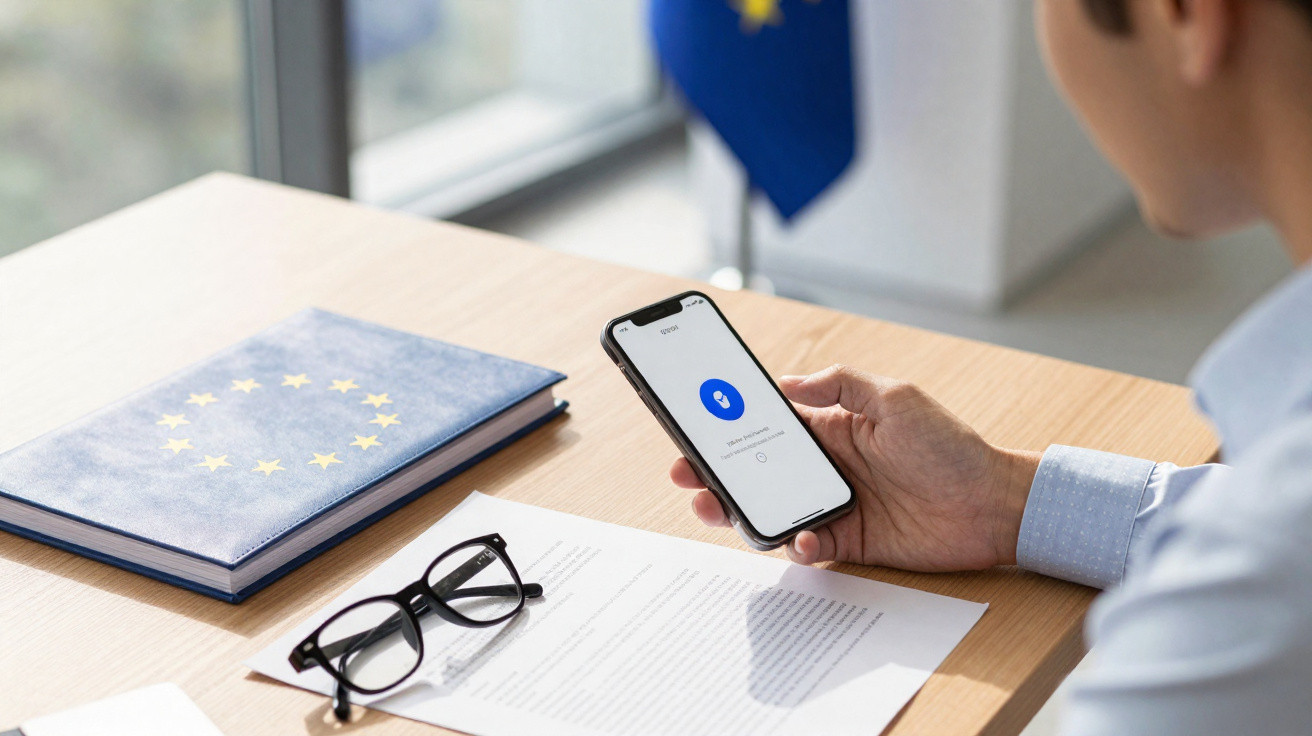
Regulators also have a part to play in reducing misuse of AI technologies. In the European Union, Apple’s rollout of its Apple Intelligence features - which include the Clean Up function - was delayed because of "regulatory uncertainties".
AI can certainly make life more convenient. As with any technology, it can be applied for beneficial or harmful ends. Understanding what it can do, and strengthening your visual and media literacies, is vital for being an informed participant in today’s digital world.
T.J. Thomson, Senior Lecturer in Visual Communication & Digital Media, RMIT University
This article is republished from The Conversation under a Creative Commons licence. Read the original article.


Comments
No comments yet. Be the first to comment!
Leave a Comment