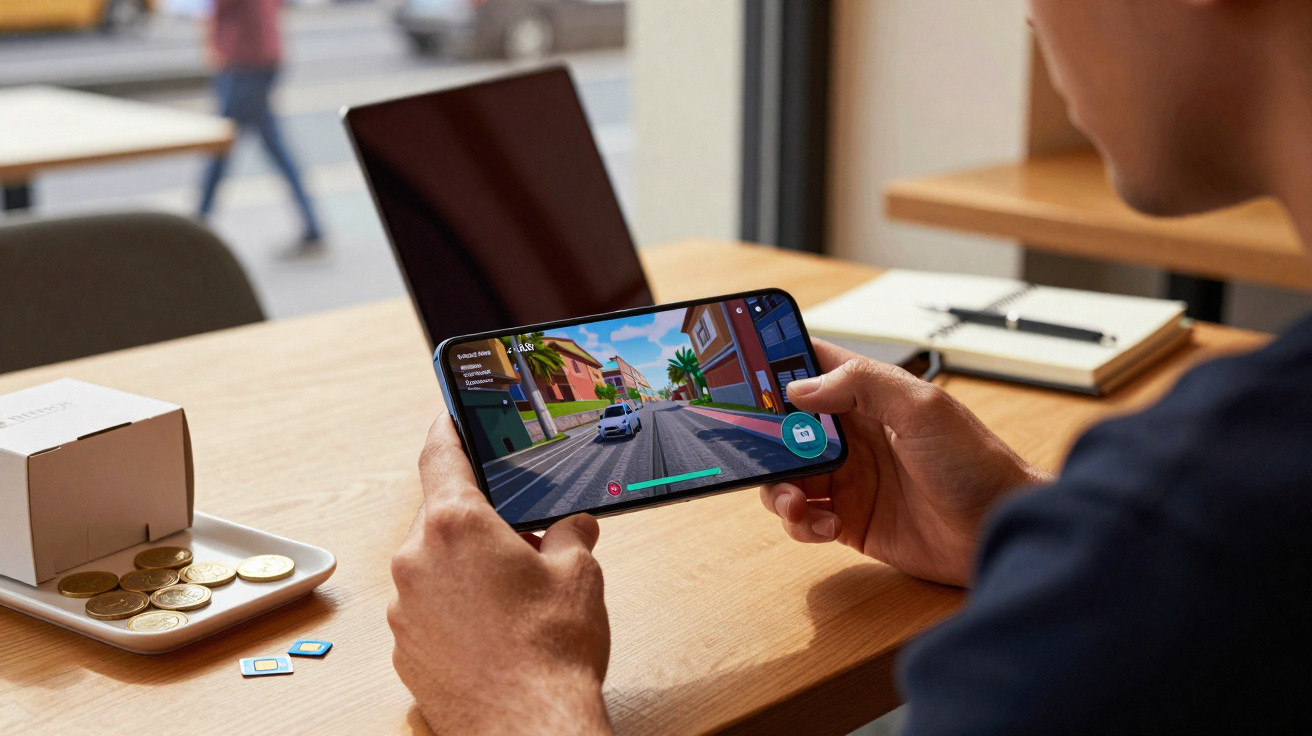
A newly launched handset with a large screen and a substantial battery has caught the attention of bargain hunters in Europe.
The Xiaomi Redmi 14C, sold in France by Cdiscount, is attracting interest for a straightforward reason: it pairs an honest specification, contemporary styling and current features for under €100. In a market where even entry-level models now exceed that figure, Xiaomi’s handset breaks the pattern and appeals to buyers who want to spend little without being stuck with a slow phone short on storage.
A smartphone under €100 that goes beyond the basics
According to the highlighted Cdiscount deal, the Redmi 14C costs €99.99. For a handset only recently put on sale, this price point would usually mean severe compromises, particularly in the display, memory and battery. Here, Xiaomi aims for a familiar balance: enough hardware for everyday use, without premium extras but also without excessive frustration.
“The Redmi 14C’s biggest attraction is combining a 120 Hz display, 128 GB of storage and a generous battery for under €100.”
In practical terms, it is positioned as an entry point for those seeking a current Android phone, a reasonably smooth interface and sufficient internal space for numerous apps, photos and videos. There is no need to deal with a handset that starts struggling in its first week.
Xiaomi Redmi 14C: large 6.88-inch 120 Hz display for visual comfort
The 6.88-inch panel stands out because of its size. It is close to what is found on many more expensive mid-range phones. For people who watch films on their phone, spend time on TikTok and Instagram, or read news on public transport, the display provides genuine comfort, requiring less zooming and scrolling.
Its more technical advantage is the 120 Hz refresh rate. Among affordable phones, 60 Hz remains the norm, while some models reach 90 Hz. At 120 Hz, animations appear smoother, scrolling is more fluid and touch responses feel quicker.
“High refresh rates are not merely a gamer gimmick: they reduce minor stutters and can help tire the eyes less during prolonged use.”
For anyone who spends many hours on WhatsApp, email and social media, this smoothness reduces the impression of interface lag. It does not turn the device into a flagship, but it does improve overall comfort.
Who benefits most from this display?
- Users who do a lot of reading on their phone, including e-books, PDFs and long articles.
- People who watch streaming video while travelling.
- Those who play lighter titles and want less blur during rapid movement.
- Users who find smaller screens difficult to see clearly.
Storage and performance: designed for daily use
With 128 GB of internal storage and 4 GB of RAM, the Redmi 14C sits in a comfortable area of the entry-level category. Its 128 GB capacity allows users to install several banking apps, social networks, maps and transport apps, record short videos and receive files without constantly encountering a full-storage warning.
MediaTek’s Helio G81-Ultra processor is not intended for demanding games, but it is adequate for:
- web browsing with several tabs open;
- Full HD music and video streaming;
- messaging, banking and productivity apps;
- social media use with reasonable comfort, provided heavy filters are not overused.
In typical situations - switching between WhatsApp, a browser, email and Instagram - the combination of 4 GB of RAM and this chip should maintain a good pace, as long as the user does not keep too many apps open in the background.
5,160 mAh battery: a full day without concern
The 5,160 mAh battery follows the entry-level phone trend of prioritising battery life. With moderate use involving social media, short videos, occasional calls and medium brightness, it is reasonable to expect a full day away from a charger, with some charge remaining by evening.
“For people who rely on their phone to work outdoors or study all day, this capacity reduces the anxiety of watching the percentage drop sharply in the afternoon.”
Heavier users who play frequently or keep brightness at maximum will probably need an extra charge towards the end of the day. Even so, its battery capacity is larger than that of many older mid-range models.
Dual SIM and a hybrid life: work and personal use on one handset
Support for two SIM cards, or dual SIM, is a strategically useful feature. Many people now carry two numbers: one for work and another for personal use. With the Redmi 14C, they can combine both on one device while keeping the accounts separate.
It is also possible to use one line with more mobile data for streaming and another with better call rates, combining different plans and promotions. Near borders within the European Union, keeping a local SIM alongside one from the home country can also make sense.
Redmi 14C specifications at a glance
| Feature | Main specification |
|---|---|
| Promotional price | €99.99 at Cdiscount (price subject to change) |
| Display | 6.88 inches, 120 Hz refresh rate |
| Processor | MediaTek Helio G81-Ultra |
| RAM | 4 GB |
| Storage | 128 GB |
| Battery | 5,160 mAh |
| Extra features | Dual SIM |
Who is this phone suitable for?
The Redmi 14C is well suited to buyers who prioritise value for money and do not need an advanced camera or gaming-level power. It fits particularly well in several situations:
- A first smartphone for teenagers, focused on social media and studying.
- A backup phone for travel or work outside the office.
- Users still relying on very old 16 GB or 32 GB models and struggling with limited space.
- People who mainly use their phone for communication, content consumption and simple tasks.
Anyone who takes many photos at night, records long high-resolution videos or plays demanding titles such as Genshin Impact may be disappointed. That is not the Redmi 14C’s focus. Its proposition is more about dependable performance for everyday tasks without overspending.
Understanding some technical terms
For readers who do not follow industry jargon, a few points are worth explaining. A 120 Hz refresh rate, for instance, indicates how many times the screen updates each second. At 60 Hz, the image is redrawn 60 times per second. At 120 Hz, that figure is doubled. The eye detects less trailing in movement, creating a smoother impression.
The 128 GB storage figure represents the total space available for the system, apps and files. Some of this is taken up by Android itself and Xiaomi’s interface, so the actual space available to the user is usually slightly lower. Nevertheless, it offers considerable room compared with devices offering 32 GB or 64 GB, which fill quickly with WhatsApp videos and app updates.
Practical usage scenarios and risks to consider
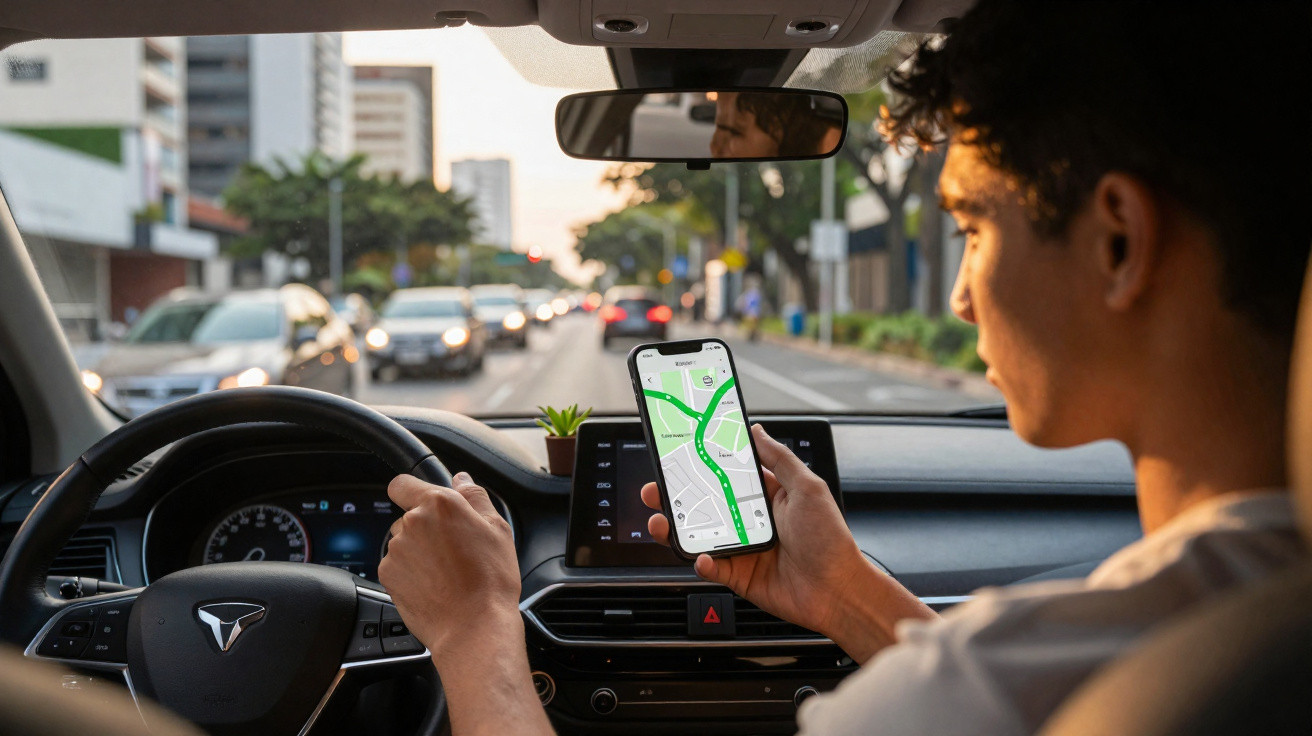
Imagine a user leaving home at 7 am, using their phone for GPS in traffic, replying to messages throughout the day, recording a few short videos at lunchtime and returning only in the evening. The combination of a 5,160 mAh battery and an efficient processor should handle this routine, provided the mobile network is not constantly fluctuating, as that usually consumes more power.
On the other hand, entry-level devices have typical limitations. System updates may be more limited in both number and duration, reducing their software lifespan. As months pass, new apps tend to become more demanding and can put pressure on 4 GB of RAM, especially when the user accumulates many open processes.
For anyone considering the Redmi 14C as their main phone for several years, it is worth following good practices: remove unused apps, avoid demanding games that heat the device and drain the battery quickly, back up photos and videos regularly to prevent storage from filling up, and keep the system updated whenever security fixes become available.








Comments
No comments yet. Be the first to comment!
Leave a Comment