

The way we connect digitally has completely reshaped everyday life over the past few decades. Looking back at old dial-up internet makes it easier to appreciate today’s speeds, which are essential to the development of modern society and the worldwide progress of technology and fast communication.
How did dial-up internet work in the 1990s?
Back then, getting online required patience, as users connected through standard landline telephone lines. The distinctive sound of a dial-up modem signalled the start of a slow experience, often limited to evenings because of the charges applied by internet providers at the time.
Any incoming or outgoing phone call would cut the connection, which caused plenty of frustration at home. Even with severe constraints, this early stage was vital for establishing digital habits and setting the stage for the later arrival of broadband and the wider expansion of national telecommunications.
Why is your 5G phone still slow?
Many people moved to the new mobile network expecting incredible speeds, but the operators’ current set-up hides a secret… Read more
What changed when broadband arrived?
The introduction of ADSL transformed the national market by enabling always-on connections without tying up the telephone line. With this breakthrough, households were free to browse news portals and interact on digital platforms in real time as part of daily life.
As the service became more stable, e-commerce and streaming began to take off. Providers invested heavily in infrastructure to handle growing data traffic, which helped pave the way for fibre optic roll-outs and the wider digital ecosystem.
Below is a video from the TecMundo channel on YouTube that explores the points discussed in this topic in more depth:
How did mobile networks evolve to where we are today?
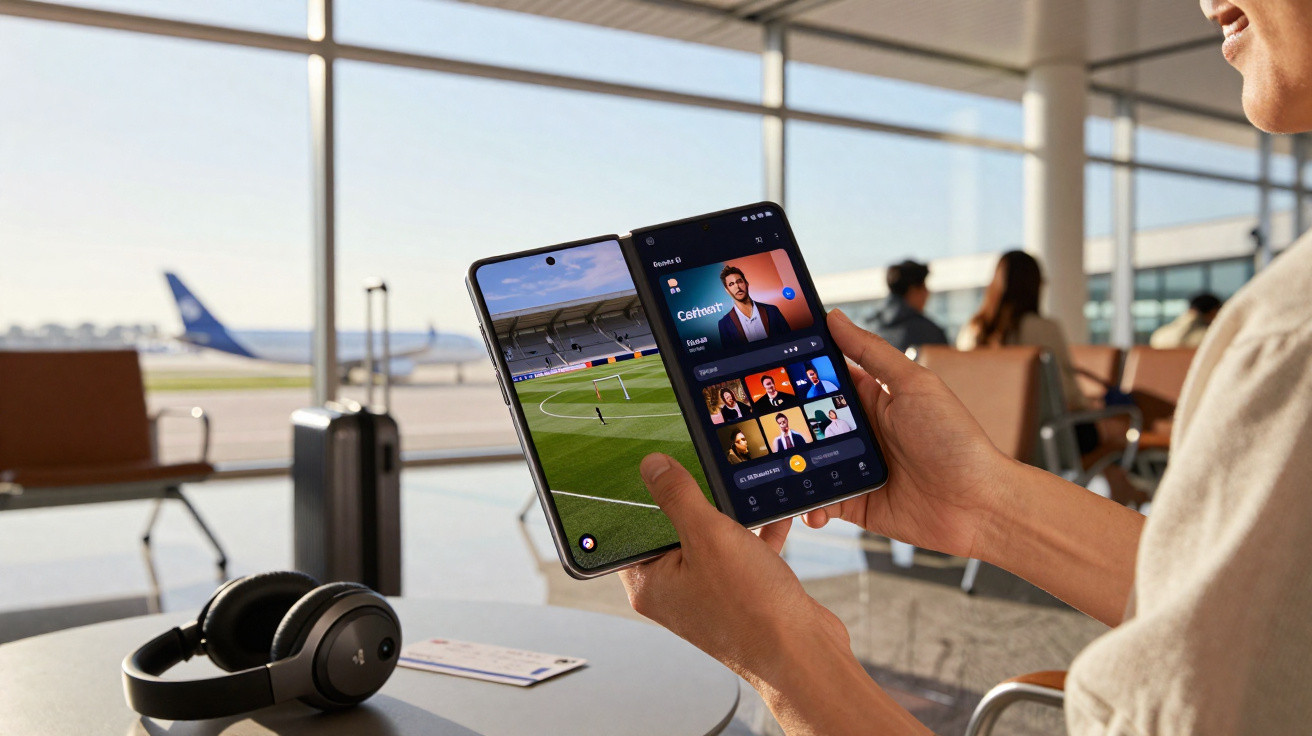
Urban mobility truly accelerated as earlier generations of mobile networks expanded. The emergence of 3G made basic access to lightweight websites possible on a handset, while 4G cemented modern transport apps and video streaming.
This progression turned smartphones into genuine pocket computers-indispensable in the daily lives of billions of people. Growing reliance on wireless connections also drove continuous improvements in home Wi-Fi routers, smoothly linking domestic spaces to the broader ecosystem of permanent global connectivity.
Pillars of Modern Connection
Fundamental technologies
Discover the elements that underpin our day-to-day browsing today:
- Fibre-optic cables that cross oceans;
- High-performance home routers;
- Antennas for mobile data transmission.
What changes with the consolidation of 5G technology?
The official arrival of 5G marks a huge leap in download and upload speeds around the world. This new telecommunication infrastructure dramatically reduces latency, enabling near-instant responses that directly support advances in automotive technologies and industrial automation.
The effects extend well beyond ordinary smartphones, reaching the internet of things at scale. Connected smart devices continuously collect valuable information in real time, improving urban efficiency and driving a genuine digital revolution built on fast data and shared infrastructure.
The main practical benefits users notice when moving to a stable mobile network are highlighted below:
- Faster playback for ultra-high-resolution media.
- Better connection stability, even in crowded public places.
- Immediate access to services based on cloud storage and processing.
How can we prepare for the future of digital connections?
Ongoing web development demands major investment in security and accessibility for the entire Brazilian population. Understanding this remarkable evolution helps us use advanced tools responsibly, strengthening social inclusion and creating new opportunities for innovative business and high-quality remote learning.
Keeping an eye on network changes also brings clear advantages in today’s professional market. The history of connectivity shows that innovation never stops: it shapes society and calls for continual adaptation as new horizons in knowledge and communication open up.




Comments
На основе согласованного дизайн-проекта рассчитываются цены и сроки изготовления готовой мебели https://mebel-er.ru/portfolios/raznoe
В зависимости от пожеланий клиента, срок установки и доставки мебели можно менять https://mebel-er.ru/portfolios
Гибкие сроки доставки предоставляют компании Mebellain, A https://mebel-er.ru/portfolios/raznoe
Brugeiro, Лиман https://mebel-er.ru/
Несмотря на это, продажа эксклюзивной мебели часто зависит от репутации фирмы-изготовителя и количества успешно выполненных заказов https://mebel-er.ru/contacts
При создании детской мебели производители используют нетоксичные составы для обработки древесины https://mebel-er.ru/portfolios/myagkaya-mebel
Например, компании Альфа-Пегас, Билтекс и ДенВуд предлагают широкий ассортимент мебели из гипоаллергенных материалов https://mebel-er.ru/portfolios
индивидуальный подход к каждому заказчику https://mebel-er.ru/portfolios/skafy-i-garderobnye
Обращаясь в салон, покупатель подбирает именно те размеры, формы и материалы, которые подойдут для конкретного жилого помещения;
Создавая новые и необычные варианты мебели, производители становятся настоящими законодателями мод в мире мебели https://mebel-er.ru/portfolios/mebel-dlya-spalni
Продажа эксклюзивной мебели
Производители эксклюзивной мебели на выставке
Создание мебели из массива дерева предполагает четкое соблюдение технологического процесса сушки и первичной обработки древесины https://mebel-er.ru/portfolios/myagkaya-mebel
Опытные профессионалы используют оптимальные защитные составы, не вредящие природному цвету и фактуре дерева https://mebel-er.ru/about
Даже недорогая древесина смотрится презентабельно и статусно, если правильно ее обработать https://mebel-er.ru/partners
Leave a Comment