
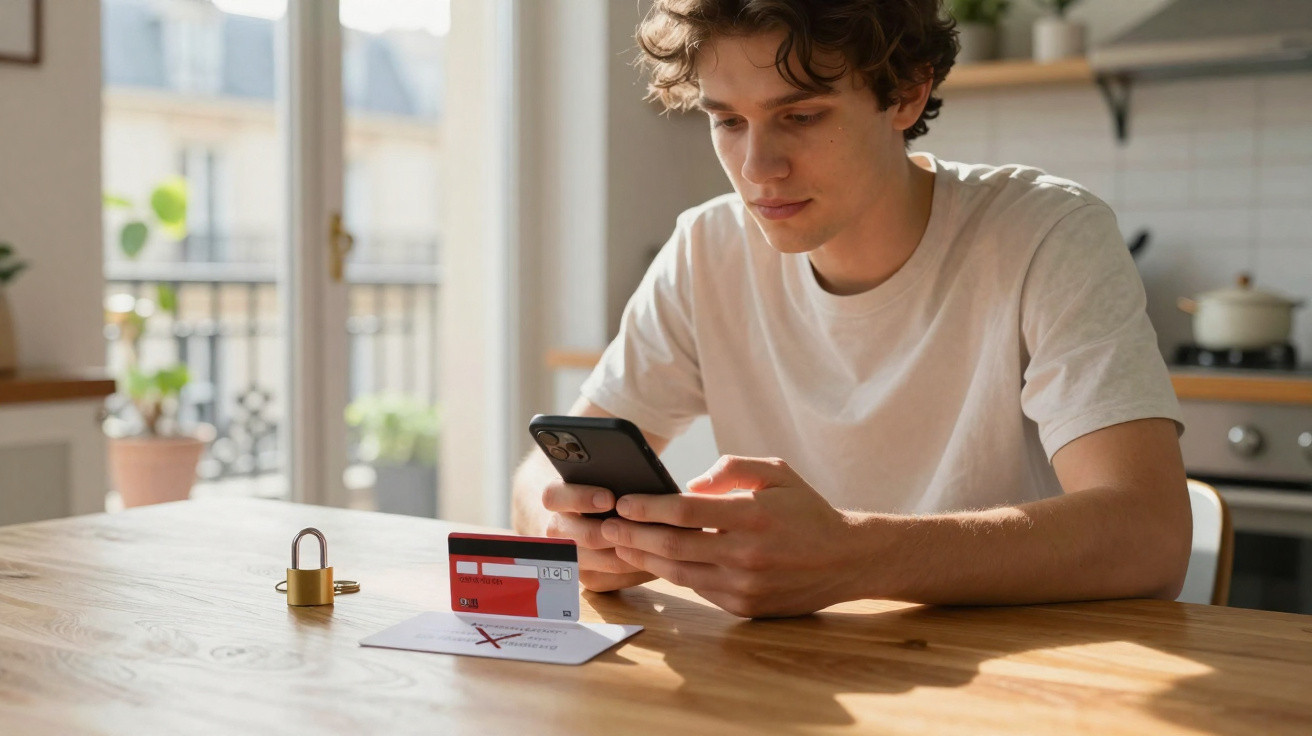
A new update is worth noting for the 17 million customers.
For the 17 million Caisse d’Épargne customers, there’s a change you’ll want to be aware of. It isn’t a dramatic overhaul, but it does become a requirement if you want to access your accounts. Here’s what you need to know.
A necessary security measure
As reported by L’Internaute, a new security rule now applies when you change your confidential code. From now on, users can no longer set a six-digit password that matches their date of birth. If you still try to use one, the request will simply be rejected. Some customers will likely find this restrictive, but the intention is to improve security.
New rule when changing your Caisse d’Épargne confidential code
In practical terms, the bank is blocking a particularly predictable choice: a six-digit code based on your birth date. The point is to prevent codes that can be guessed quickly, even with limited personal information.
Why this matters
As also noted, Caisse d’Épargne is not the first bank to introduce this type of measure; the same applies to BNB and CIC. It’s a sensible step given how widely French people’s personal data is shared on the dark web. In that context, malicious actors would only need to try a handful of common details to attempt to log in to your online area.
French users still too careless with passwords
Despite repeated warnings, French users still tend to treat passwords too casually. Year after year, studies reach the same conclusion: most internet users continue to pick very simple combinations that are easy for hackers to guess.
The most commonly stolen passwords
A Specops report highlights a worrying ranking in which “123456”, “admin” and “password” appear among the passwords most frequently stolen. The analysis also shows that, even when users meet the complexity requirements set by platforms, that alone is no longer enough to keep accounts secure.
In fact, 230 million stolen passwords still met standard expectations, underlining the need to add extra safeguards-such as multi-factor authentication-to strengthen the protection of personal data.
According to another study by Nordpass, the top 20 most used passwords in 2024 is packed with number sequences, first names, or nicknames-each one easily cracked by automated tools. Specialists nevertheless urge people to choose passwords that are unique, long, and complex to reduce the risk of unauthorised access. More information on this is available in our previous article here.



Comments
No comments yet. Be the first to comment!
Leave a Comment