
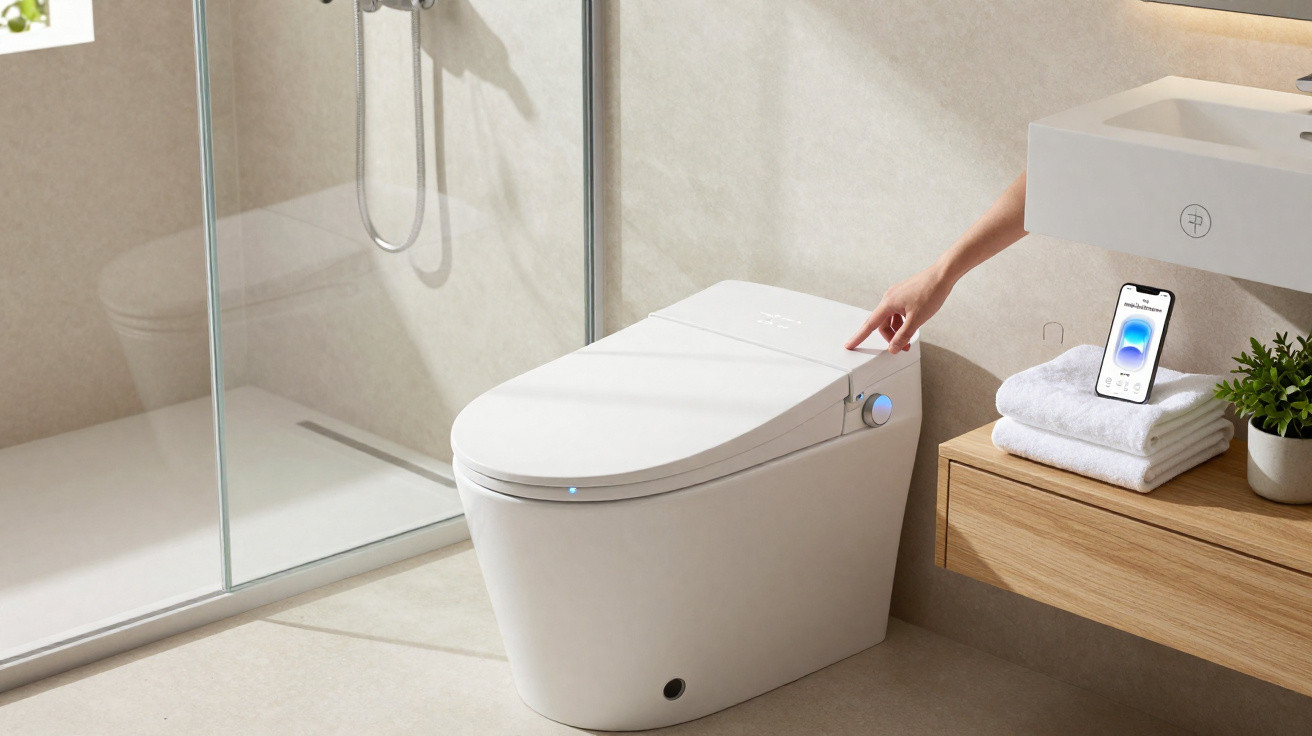
Bathrooms are no longer treated as purely practical rooms; in many home designs they have become a focal point. Among the products driving this shift, smart toilets and electronic bidets stand out for blending comfort, technology, ergonomics and environmental awareness-a trend long established across parts of Asia and now growing in Europe and Latin America. Once largely associated with premium homes, these solutions are also appearing in hotels, clinics and offices that want to offer users a more refined wellbeing experience.
What are smart toilets and electronic bidets?
Smart toilets are WCs fitted with electronic features that go beyond the basic function of sanitaryware, adding comfort, hygiene and automation. An electronic bidet, by contrast, is typically a seat or add-on attached to a standard toilet, designed to deliver controlled water sprays for intimate cleansing-often replacing a traditional bidet.
In day-to-day use, these products usually provide a side panel or remote control so you can adjust spray pressure, water temperature and the area reached. More advanced versions may add user profiles, automatic lid opening and closing, self-cleaning nozzles, app connectivity, integration with voice assistants and-in some cases-basic health-monitoring functions.
Why is water-based hygiene gaining ground in the modern bathroom?
Cleaning with water, common with bidets and hand sprays, is widely seen as more thorough and gentler-particularly for sensitive skin, older people, children, or anyone with reduced mobility. Where space is limited, electronic bidets and smart toilets can combine in a single position what previously required two separate fixtures, making better use of the available floor area.
Presence sensors, automatic flushing, adjustable seat temperature and night lighting can also improve comfort and safety. In accessible bathroom designs, these features can increase independence and reduce the need for assistance during intimate routines-something especially valued in shared settings such as offices and clinics.
What features can smart toilets offer today?
Available models differ significantly in price and sophistication, ranging from straightforward bidet seats to fully integrated units connected to a smart home. When comparing options, it helps to focus on the features that most influence comfort, hygiene, water saving and everyday convenience.
Common functions found on today’s smart toilets and electronic bidets include:
- Adjustable water spray: control over position, intensity and dedicated cleansing modes.
- Adjustable temperature: settings for both water and seat-useful in colder weather.
- Warm-air drying: helps cut down on toilet paper use and the waste it creates.
- Presence sensors: automatic activation of functions when sitting down or standing up.
- Deodorising and filters: systems that reduce odours and keep the room more pleasant.
- User programmes: stored profiles that remember individual preferences.
How do you assess cost, installation and day-to-day benefits?
The overall cost depends on the type of product and any electrical or plumbing changes required. Retrofit electronic bidet seats are often the most affordable entry point because they use your existing toilet and typically need only a nearby power supply and, in many cases, a simple water feed connection.
Fully integrated smart toilets tend to suit planned renovations or new builds, and may require a professional installer to ensure safe fitting and to confirm adequate water pressure. When weighing up the investment, consider durability, the availability of after-sales support in the UK, energy use, water use per flush, straightforward maintenance and relevant safety certifications-helping to create a modern bathroom that is efficient and ready for what’s next.





Comments
No comments yet. Be the first to comment!
Leave a Comment