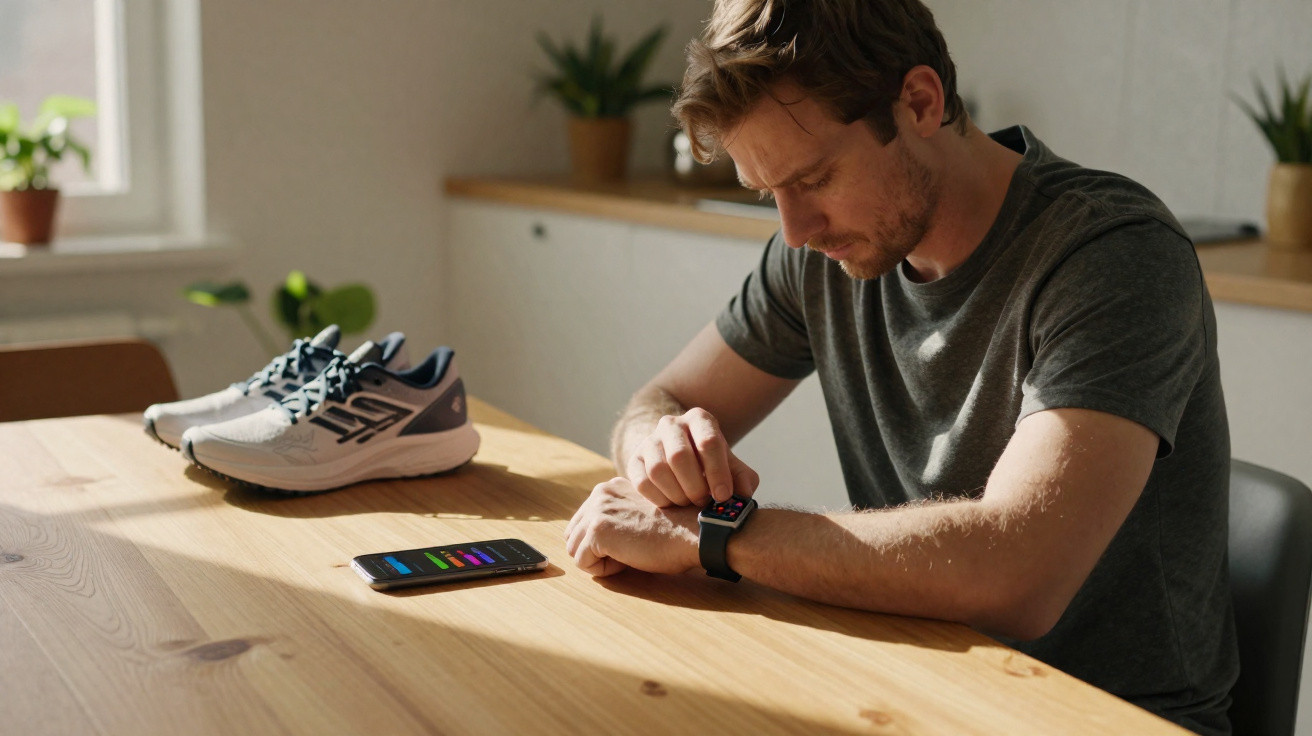
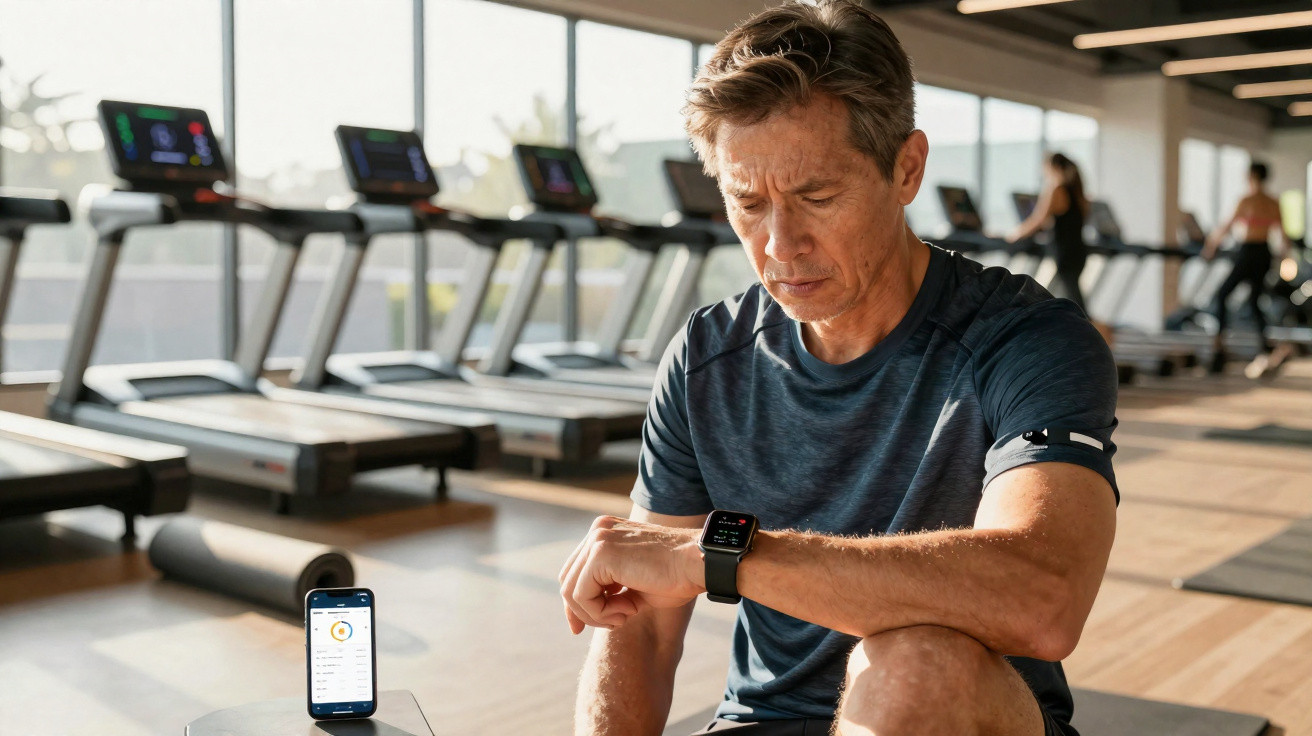
On a Tuesday in January, Marc was sitting on the examination couch with his smartwatch still on. Its strap had pressed a pale line into his wrist: a tan mark of obsession. He opened the health app to display his “progress” to the doctor: 182 days of unbroken perfection, more than 10,000 steps each day, a lower resting heart rate and a higher sleep score. His charts were immaculate. Marc was not.
The doctor initially ignored the graphs. Instead, he noticed Marc’s drawn face, his short breathing and the anxious, repetitive bounce of his leg. Then he said what Marc had not anticipated: “You need to stop following your watch. Starting today.”
The consulting room fell quiet.
Suddenly, the small green rings on Marc’s wrist seemed deafening.
The man who followed his watch like a boss… until his body pushed back
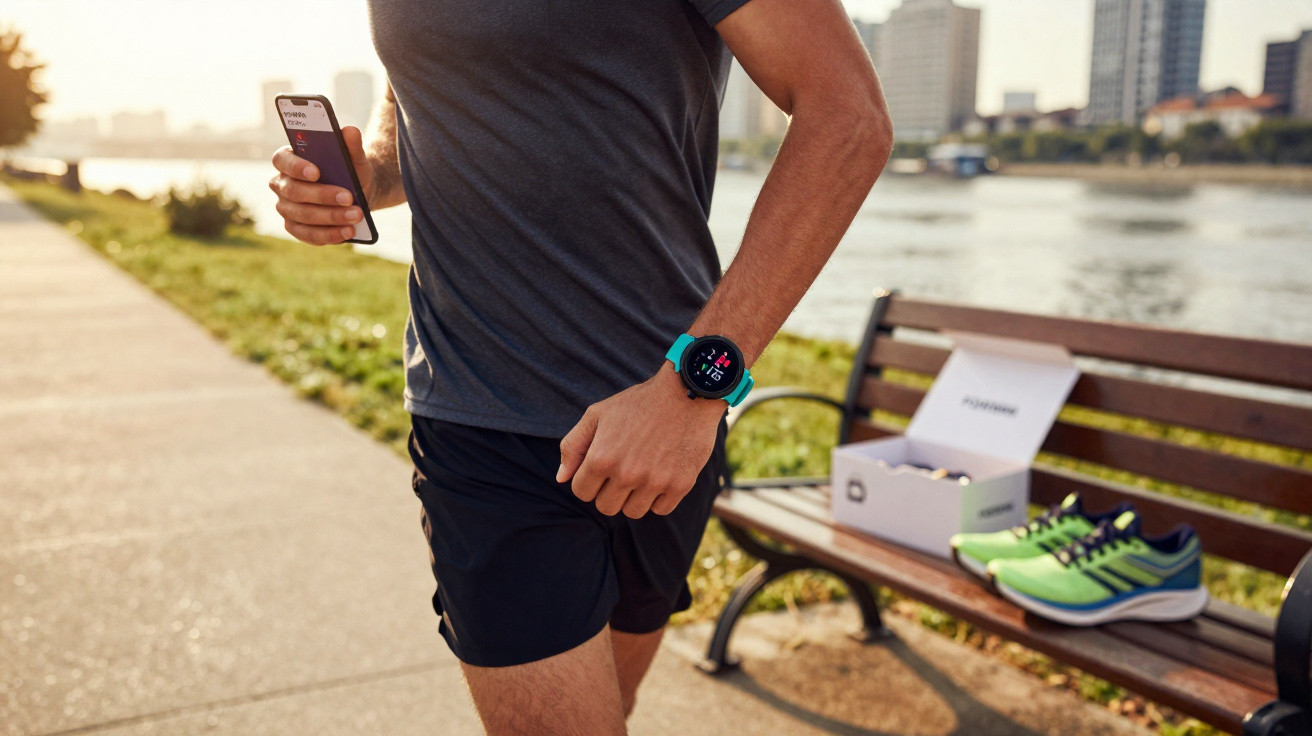
Marc is 39, works in IT and says he is “not a gym guy”. Like plenty of people, he bought a smartwatch during a late-night scroll, partly through curiosity and partly from guilt. At first, it was simply a fun new gadget. Then the notifications started: stand up, breathe, move, close your rings. He began by paying attention. Before long, he was complying.
Within a few weeks, tiny wrist-based instructions had divided his days into sections. He would walk out of meetings to reach his step target. At 11:45 p.m., he paced around his living room because he was “only” 800 steps short. He no longer checked in with himself about how he felt; the watch supplied the answer.
By the third month, his health app was full of glowing badges: “Longest Move Streak.” “Perfect Sleep Week.” “Cardio Fitness Up.” The data made Marc feel proud, almost euphoric. One night, he woke at 3 a.m., saw a sleep score of “only” 72 and stayed awake planning how he could sleep “better” the following night. His own physical signals increasingly went ignored.
He kept running despite tight calves because his VO₂ max chart was rising. He missed dinner after his calorie counter told him he was “close to his limit.” His partner would joke that “the watch is the real boss now.” It ceased to be amusing once Marc began staying awake late merely to preserve a streak.
By month six, things looked different. His resting heart rate was certainly impressive, and he had lost weight. But he became light-headed when he rose too quickly. His mood deteriorated. Minor issues made him snap at colleagues. He began waking with a tight chest, which his watch recorded as “elevated stress.” That was when he arranged a doctor’s appointment.
The doctor heard him out, checked his vital signs and asked what his typical days looked like. He then put it directly: Marc was not becoming healthier; the burden of “health optimization” was burning him out. The device itself was not the issue, but it had gradually overridden his common sense.
How to use a smartwatch without allowing it to control your life
Marc’s doctor gave him a first instruction that was both straightforward and, oddly, radical: switch off most health notifications. No more hourly prompts to “stand”. No daily calorie warnings. No alerts about losing a streak. For two weeks, the watch would show the time and collect information silently in the background.
The next instruction was even harder for someone dependent on numbers. Before opening the app each day, Marc had to ask himself three questions: “Am I tired? Am I tense? Do I feel joy in moving today?” The intention was for his body to speak before the data did. It was a small change of order, but one with major consequences.
Anyone who has attempted to follow every health recommendation their watch offers knows how quickly it can feel like another job. You can begin the morning full of good intentions and finish it pursuing rings like a gamer trying to level up. Honestly, no one manages this every single day.
A kinder, more realistic approach is to select one principal priority for each season. For three months, that might be sleep; after that, a walking routine; then strength. Choose one or two watch measurements that support that one aim, and disregard the others. Your wrist will not be demanding ten achievements while your mind is already managing work, children and daily life.
When Marc eventually admitted that he occasionally performed squats in the bathroom at 11:58 p.m. to “save a streak”, his doctor gave a quiet laugh before offering words Marc remembered:
“Your heart doesn’t know what a streak is. It only knows if you rested, moved reasonably, and felt safe.”
Rather than trying to pursue every metric, the doctor recommended a simple set of priorities:
- One measurement that genuinely matters to you - sleep, steps or heart rate, rather than all three
- One everyday practice you would keep even without a watch - a walk, stretch or early night
- One firm limit - no data after 9 p.m., or no exercise when you are in pain
- One time each week to review the information, rather than compulsively checking it every hour
- One “grace day” when the watch is essentially jewellery, and nothing more
This modest structure makes the smartwatch a tool again, rather than a small buzzing boss attached to your wrist.
When the smartwatch numbers say “good” but your body says “enough”
Marc’s experience resonates because many people now occupy two realities at once. In one are graphs that improve month after month: less weight, more activity and tidy coloured circles. In the other is the untidy reality of exhaustion, stress and days when life cannot be reduced to a health dashboard. Most of us know that moment: you have reached your step target, yet feel unexpectedly empty.
Some people flourish with detailed tracking. It makes them feel encouraged, motivated and less isolated in their efforts. For others, continual feedback gradually becomes pressure. They find themselves walking laps around the kitchen at midnight. They turn down an evening with friends because “my sleep score will be ruined.” They lose sight of how health ought to feel.
Marc’s doctor expressed the central truth simply: “Data is a map, not the territory.” A smartwatch can reveal patterns, flag unusual shifts and encourage you to get up after prolonged sitting. It cannot understand an argument with your manager, troubling news read before sleep or the quiet anxiety you carry ahead of a large bill.
This is why some cardiologists now see patients frightened by broad “irregular rhythm” notifications when there is no serious problem. It also explains why psychologists are reporting increasing cases of “health tracking anxiety.” The device is not inherently harmful. The vulnerable idea is the unstated promise that additional data always creates greater control.
The doctor who urged Marc to stop also said something else worth remembering:
“If a tool makes you feel worse more often than it helps you, it’s not a health tool anymore. It’s a stress tool.”
Perhaps, then, the real test is not, “Can I follow my watch perfectly for six months?”, but instead:
- Can I miss a day without feeling guilty?
- Can I heed my knees rather than my step target?
- Can I deliberately leave my watch at home now and then?
- Can I recognise progress that never appears in an app?
- Can I accept that part of health cannot be measured?
Once the answers to those questions begin to change, something more profound than a graph is shifting.
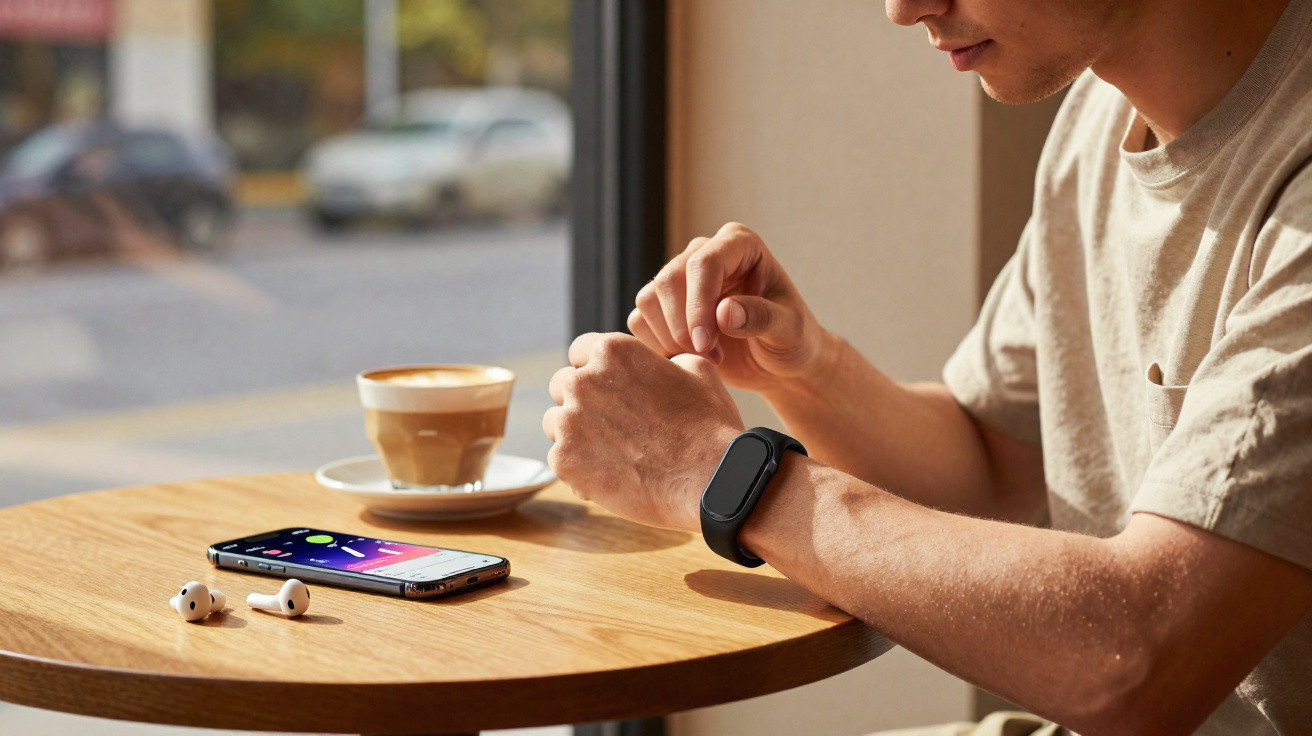
Marc followed his doctor’s advice. He disabled most alerts, ended his streak and spent an entire weekend without his watch. On the first day, he repeatedly looked towards his bare wrist, caught between panic and freedom. By Sunday evening, he recognised a feeling he had not experienced for months: he was moving because he wanted to, not because a ring remained open.
A few weeks later, he returned for a follow-up appointment. His vital signs were stable, his mood was brighter and sleep was less controlled by scores. He still wore the smartwatch. He simply no longer expected it to manage his life.
This is the understated turning point many people now face: living alongside smart tools without becoming their compliant subjects. Retaining useful signals while silencing the quiet pressure. Remembering that no algorithm, however sophisticated, can feel your own relieved sigh when you finally permit yourself to rest.
| Key point | Detail | Value for the reader |
|---|---|---|
| Set boundaries with your watch | Restrict notifications and select one primary health priority at a time | Lowers stress and helps prevent obsessive tracking |
| Listen to your body first | Ask simple daily questions about energy, tension and mood | Helps prevent you following guidance that does not match your actual condition |
| Accept imperfect data days | Schedule “grace days” and intentionally break streaks | Creates a healthier, sustainable relationship with technology |
FAQ:
- Question 1 Can following a smartwatch too strictly really harm my health?
- Question 2 Which smartwatch metrics should I focus on if I get easily stressed?
- Question 3 How often should I check my health data during the day?
- Question 4 What are signs that my watch is stressing me out instead of helping?
- Question 5 Is it okay to stop wearing my smartwatch for a while if I feel overwhelmed?








Comments
No comments yet. Be the first to comment!
Leave a Comment