
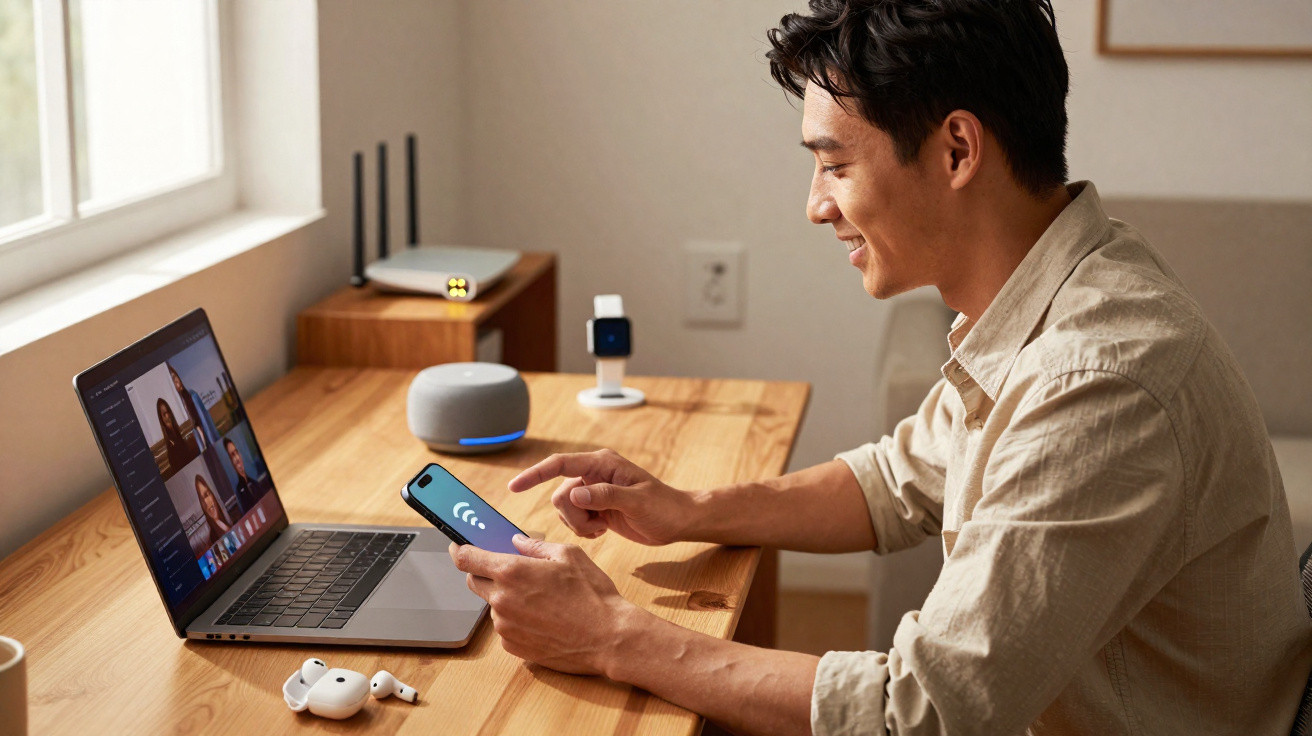
Using wireless headphones every day can be genuinely stressful when you keep running into constant audio lag. Fortunately, new technologies have arrived to tackle stability and delay once and for all-changing the experience of gaming and video calls at home.
Why is traditional Bluetooth losing ground?
Today’s transmission approach often struggles to maintain perfect synchronisation when handling heavier files. People end up dealing with sudden drop-outs and stuttering that break immersion in films and high-quality music, pushing the need for more resilient solutions.
As demand rises for spatial audio and higher bit rates, the physical limits of conventional technology have become hard to ignore. In response to this frustrating reality, engineers have created innovative alternatives designed to replace the current standard and deliver unmatched stable transmission.
Below are the main shortcomings many people face every day with conventional headphones:
- ⏳ Noticeable latency: That dreaded delay undermines real-time gameplay.
- Frequent cut-outs: Sudden signal interruptions cause serious frustration for listeners.
- Limited bandwidth: A restricted data channel blocks playback of uncompressed tracks.
- External interference: Other household devices can easily clog up the shared frequencies.
- Higher power draw: The ongoing effort to hold the connection can significantly reduce battery life.
How does Qualcomm XPAN revolutionise connectivity?
Qualcomm XPAN is positioned as a major breakthrough by pairing ultra-short-range links with advanced wireless networking. This new approach shifts the traditional model by enabling smooth handover between protocols, so sound fidelity stays consistent.
Within the Snapdragon Sound ecosystem, the chips can manage data flow intelligently and at extremely high speed. This unified design removes the annoying lag that often shows up in home setups, introducing an unprecedented level of professional-grade stability.
You can see how this impressive technical showcase works in practice by watching content shared directly on the Snapdragon YouTube channel.
What are the biggest benefits of micro-power Wi‑Fi?
The real trick behind this leap is micro-power Wi‑Fi, which can deliver wide bandwidth without draining batteries. That engineering makes it possible to move high-definition music while keeping the low power consumption that portable devices demand.
Technological innovation
The future of audio transmission
The S7 Pro Gen 1 chip operates in a radically new way by integrating Wi‑Fi with classic Bluetooth LE Audio. As a result, the system can combine the best of both worlds: extended range alongside exemplary energy efficiency.
Unlike older connections, the new protocol keeps its stability even when the listener moves a long way from their phone. This flexibility removes physical barriers around the home, creating broader coverage with impeccable quality from end to end.
These advanced specifications translate into clear improvements for:
- Listening to music at studio quality with zero compression.
- Long sessions of competitive gaming with immediate response and no lag.
- Corporate video calls that stay stable and free from irritating freezes.
Which devices already use this audio innovation?
The first devices equipped with this groundbreaking technology are starting to appear globally, led by forward-looking brands. Well-known manufacturers have quickly adopted the aptX Adaptive codec to ensure full compatibility with the most powerful modern smartphones in the current market.
One of the standout early examples is the Xiaomi Buds 5 Pro Wi‑Fi, designed specifically for this new ecosystem. They clearly demonstrate the practical potential of the shift, offering formidable noise isolation alongside impressive acoustic fidelity.
The key components that make this new reality possible include:
- Premium mobile platforms with native support for the Snapdragon ecosystem.
- Next-generation headphones fitted with Wi‑Fi antennas.
- Up-to-date operating systems optimised to manage simultaneous streams.
How will this change affect your daily routine?
Removing transmission delay for good will meaningfully change how we enjoy entertainment in our homes. Work conversations and leisure time will feel more fluid, letting people move freely while still getting crystal-clear audio.
Beyond buying modern headphones, it’s essential to understand how your device manages power if you want long listening sessions. Learning effective tips for saving smartphone charge helps ensure lasting enjoyment with reliable day-to-day performance.





Comments
No comments yet. Be the first to comment!
Leave a Comment