
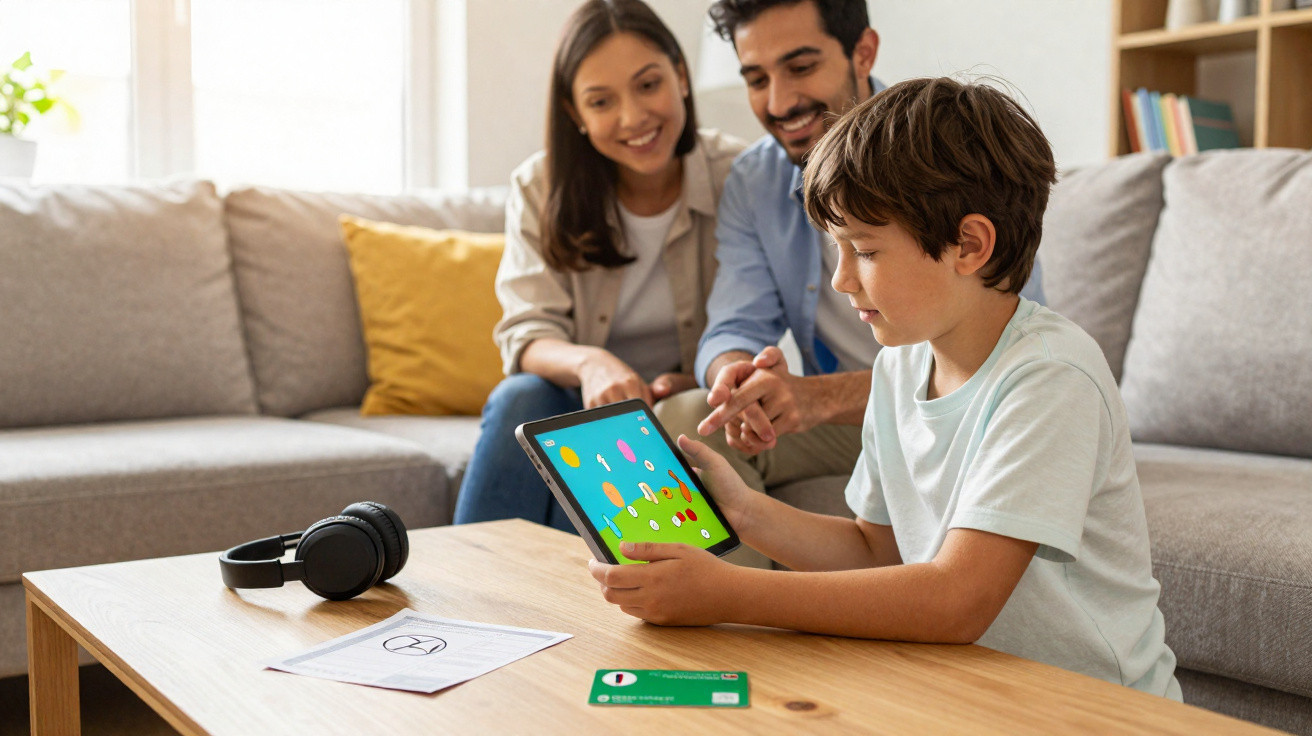
The video game Poppins is set to become reimbursable through French Social Security. The title was developed to support children with dyslexia as they learn to read.
Poppins video game reimbursement for dyslexic children
What if video games could be reimbursed by French Social Security? Not blockbuster releases such as GTA 6 or Forza Horizon 6, but software designed with a therapeutic purpose. That is exactly the direction for Poppins, a game aimed at children with dyslexia.
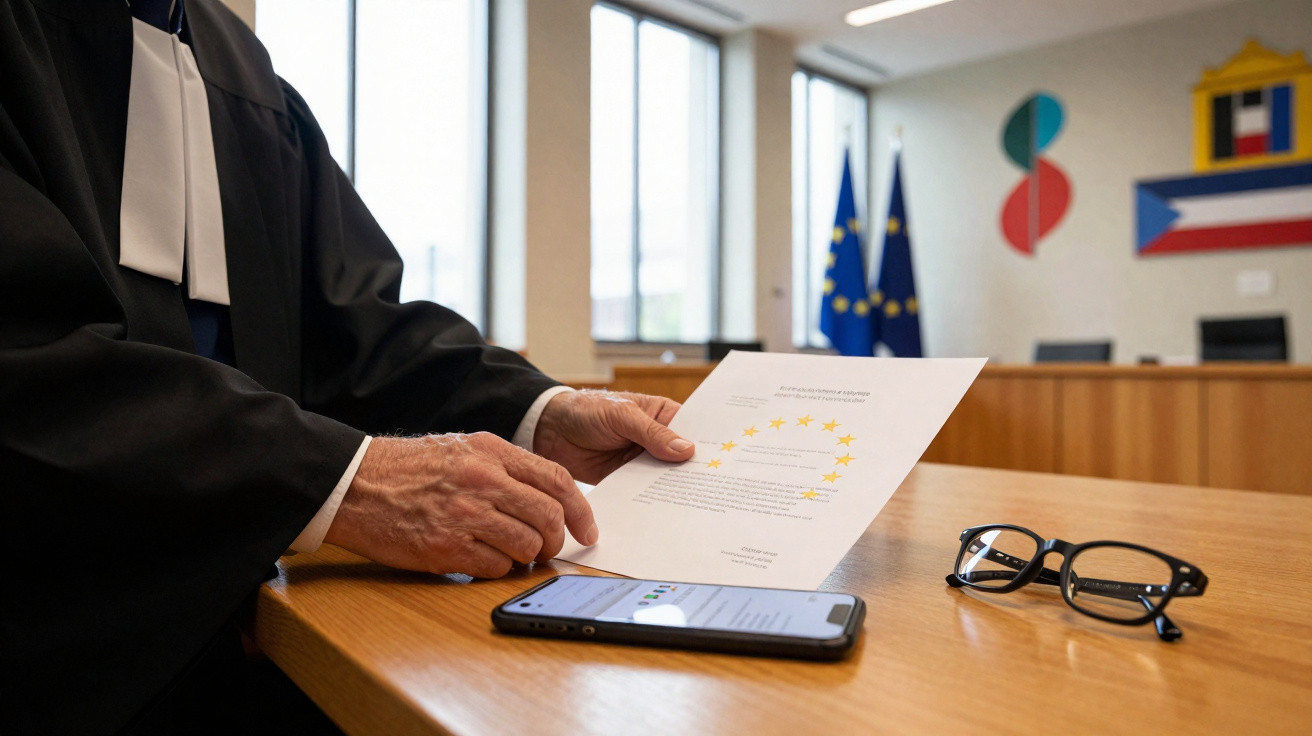
According to Digital Century, the French National Authority for Health has already approved the principle of reimbursement. One final sign-off is still needed from the Ministry of Health, which, on current indications, has no obvious reason to reject the request. If everything proceeds as expected, the first reimbursements should arrive from the start of the new school year, provided a prescription is presented.
Pricing, prescription and clinical follow-up
Reimbursement implies that the game is not free. In practice, Poppins is not a typical Android game: it is medical software created with doctors and built for tablets and smartphones.
Access requires a subscription costing €39 per quarter, and that is the fee intended to be covered. One important condition remains: the child receiving reimbursement must also be monitored by a healthcare professional.
Therapeutic games are nothing new
Poppins targets dyslexic children aged 7 to 12. It is positioned as a stopgap solution for young people with dyslexia who are waiting for specialist support, using a series of mini-games.
These activities are designed to help with the pace of reading, coordination, accuracy, and phonology. Sessions are structured at 20 minutes per day, after which the app automatically closes. The aim is to enable progress while keeping the experience engaging.
Therapeutic video games have existed for decades. The earliest health-focused “serious games” date back to the 1980s. A well-known example released in 2002 is Quest for the Code, created for children living with asthma. Another is EndeavorRx (2020), which addresses attention disorders and has been approved by the FDA in the United States.
This is a substantial, but often overlooked, part of the games industry. Even so, some mainstream publishers have previously explored health and wellbeing with dedicated titles-Nintendo, for instance, through games such as Dr Kawashima and Wii Fit in the 2000s.
Poppins, however, does not sit in that wellbeing category. While it is a video game in the traditional sense (with gameplay and objectives), its purpose is fundamentally therapeutic rather than commercial. In effect, it is medical software presented in the form of a video game to hold children’s attention-an approach that works.




Comments
No comments yet. Be the first to comment!
Leave a Comment