
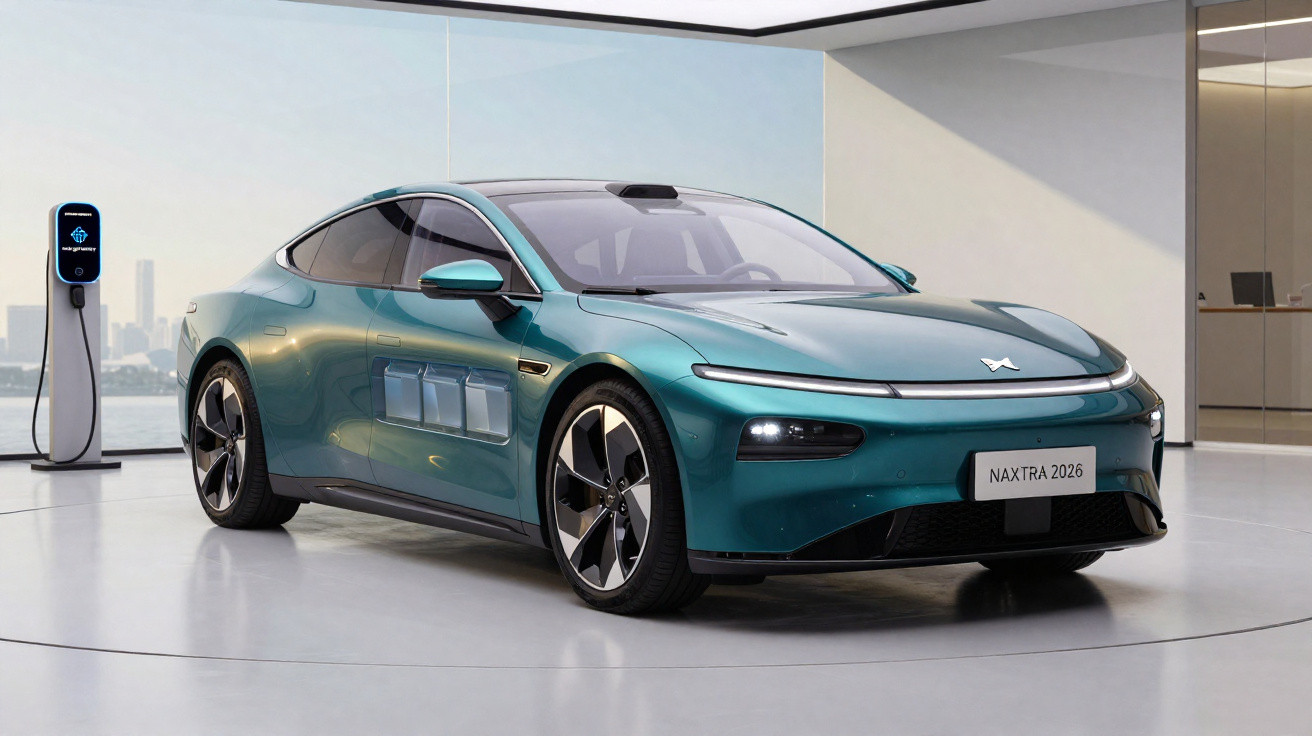
The global automotive industry is undergoing a significant shift as new technologies emerge that cut reliance on costly minerals. The expansion of electric mobility is gathering real momentum with the rollout of vehicles powered by innovative sources of sustainable energy.
How does the new lithium-free battery work?
The new system uses sodium as the primary base for storing electricity in modern cars. This advanced chemical composition, developed by CATL, removes the need for the traditional element and sharply reduces industrial manufacturing costs.
The technology, named Naxtra, marks an important step towards making large-scale commercial proposals genuinely viable. The new chemical components deliver excellent thermal stability and support efficient everyday fast recharging cycles for urban drivers.
Below are the key benefits this development brings to the sector:
- Lower cost: Sodium is abundant and brings down the car’s final price.
- Fast charging: The system reaches high energy levels in just a few minutes.
- Thermal safety: Lower risk of overheating in extreme operating conditions.
- Sustainability: Reduces the aggressive mineral extraction linked to conventional lithium.
- Durability: A long service life across charge cycles helps maintain original efficiency.
What are the advantages for electric cars?
Compact cars and models designed for everyday use stand to gain the most from this change in direction. Replacing traditional inputs makes it possible to create a line of vehicles that is far cheaper and more commercially accessible.
Greater independence from traditional supplier markets adds stability to the category’s global supply chain. As a result, carmakers can plan delivery schedules more effectively and speed up the ecological transition with electrified models that offer a high level of technical quality.
When will the new models reach the market?
A strategic partnership between the battery maker and the Chinese car manufacturer Changan has set clear deadlines for an official launch. The first cars equipped with this innovative technology are expected to begin appearing on roads at scale in 2026.
Official timeline
Mass launch
The joint project between the Asian companies states that large-scale production will begin halfway through this year. The global market is awaiting the first real-world tests to assess how the components perform in cities.
Initial production will be aimed at the Asian market, with rapid plans to expand to other continents gradually. Success in this first phase will open the door to important international contracts and reinforce the leadership of the Asian industry in the urban transport segment.
Commercial expansion will follow well-defined steps in line with the guidelines presented by the companies:
- Initial supply to selected local fleets.
- Assessment of range reports in urban use.
- Planned exports to partner emerging markets.
What real-world range is expected?
Performance estimates indicate that the new vehicles should comfortably meet the demands of long daily journeys. Engineers have designed a driving capacity that ranges between 500 and 600 kilometres in total on a single full charge of the system.
This strong result places sodium-equipped models on equal competitive footing with today’s established rivals. Energy efficiency has been refined to minimise normal thermal losses and ensure excellent performance even in conditions of intense cold.
The factors that most influence this standout range are outlined below:
- Software-led thermal management that has been optimised.
- Regenerative energy recovery during braking.
- Advanced aerodynamics applied to vehicle design.
What changes for the future of the sector?
The ongoing push for chemical innovation is driving surprising breakthroughs that turn ordinary waste into an essential component for next-generation batteries. This global movement strengthens the pursuit of clean sources and reinforces scientific progress within the automotive market.
Moving towards sodium reshapes the competitive landscape and eases the geopolitical pressures associated with the planet’s traditional mining model. The sector is progressing towards a more balanced ecosystem, where economic sustainability goes hand in hand with global ecological preservation of natural resources.
Official source: Information gathered directly from CATL.






Comments
No comments yet. Be the first to comment!
Leave a Comment