

Cars are increasingly becoming an extension of our digital lives and, during Stellantis Software Day, the group that brings together 14 automotive brands set out its plans to develop and monetise software solutions.
The targets are bold. Stellantis expects to generate roughly €4 billion in revenue by 2026 from software-based products and subscriptions, a figure it believes will rise to €20 billion by 2030.
To reach those numbers, three new technology platforms will be introduced in 2024, alongside new partnerships and a major expansion in connected vehicles. That broader connected fleet is expected to enable up to 400 million remote updates in 2030, compared with more than six million delivered in 2021.
Three new technology platforms in 2024
At the heart of this digital shift is a new electrical/electronic (E/E) and software architecture called STLA Brain, the first of the three new technology platforms. Designed to support remote updates (OTA, or over-the-air), it is positioned as highly flexible.
By breaking the current dependency between hardware and software, STLA Brain is intended to speed up the creation and updating of features and services, without having to wait for new hardware development. Stellantis says the advantages are significant: “These OTA updates drastically reduce costs, both for customers and for Stellantis, simplify maintenance for the user, and support vehicles’ residual values.”
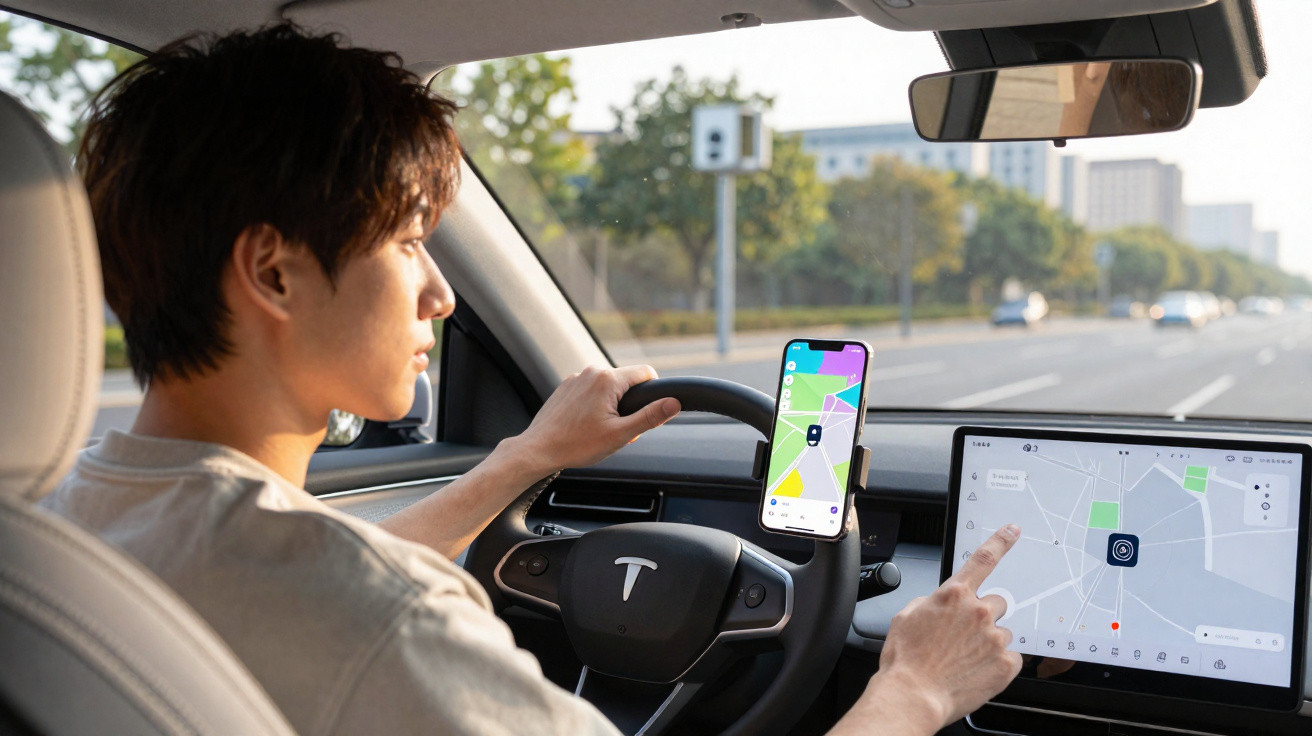
Building on STLA Brain, Stellantis will develop the second technology platform: the STLA SmartCockpit architecture. Its purpose is to fit into occupants’ digital lives and digitally personalise the cabin environment. It will provide AI (Artificial Intelligence)-driven apps, including navigation, voice assistance, e-commerce and payment services.
Finally, STLA AutoDrive-as the name suggests-focuses on autonomous driving. Developed through a partnership between Stellantis and BMW, it will support the rollout of autonomous driving capabilities across Levels 2, 2+ and 3, with ongoing improvements delivered through remote updates.
For vehicles capable of fully autonomous driving at Level 4 or above, Stellantis has strengthened its ties with Waymo. Waymo is already using several Chrysler Pacifica Hybrid vehicles equipped with the Waymo Driver function as test vehicles to develop the required technologies. These capabilities are expected to debut first in light commercial vehicles and local delivery services.
Software-based business models
The introduction of these new E/E and software architectures will form part of four vehicle platforms (STLA Small, STLA Medium, STLA Large and STLA Frame). Together, they will underpin all future models across Stellantis’ 14 brands, enabling customers to tailor vehicles more closely to their needs.
That ability to adapt vehicles is also where part of the monetisation of these software platforms and connected services will come from, built around five pillars:
- Services and Subscriptions
- Equipment on Demand
- DaaS (Data as a Service) and Fleets
- Vehicle Pricing and Resale Value
- Customer Acquisition Strategy, Service Retention and Cross-Sales
This business is expected to expand substantially as the number of connected, monetisable vehicles grows (the term is used for the vehicle’s first five years of life). Stellantis currently has 12 million connected vehicles; by 2026-five years from now-that figure is expected to reach 26 million, increasing to 34 million connected vehicles by 2030.
According to Stellantis’ forecasts, that growth in connected vehicles will lift revenues from around €4 billion in 2026 to €20 billion in 2030.
By 2024, add 4,500 software engineers
This digital transformation already underway at Stellantis will need to be backed by a much larger software engineering workforce. For that reason, the automotive giant will set up a software and data academy, involving more than 1,000 internal engineers in developing this technology community.
Stellantis also aims to recruit significantly more talent in software development and artificial intelligence (AI). By 2024, it is seeking to bring in around 4,500 engineers in the field and to establish global talent hubs.




Comments
Помощь в оформлении сделки и соблюдение конфиденциальности информации https://белый.москва/zhk-very
Если обобщить, то можно определить, что брокеры отличаются от риэлторов тем, что работают в более узкой нише и больше связаны с посредниками https://белый.москва/zhk-vnukovo-country-club
По словам эксперта по коммерческой недвижимости консалтинговой компании WEWALL Елизаветы Болюх, работа с брокером — это не просто поиск подходящего объекта, а и минимизация рисков, которые могут возникнуть при самостоятельной покупке https://белый.москва/cookie-policy
Например, застройщики часто предлагают уникальные условия или скидки, которые не размещаются в открытых источниках и доступны только через брокеров https://белый.москва/projects
Это дает клиентам преимущество в поиске лучших предложений https://белый.москва/projects
Брокеры могут работать в различных формах, включая:
Комиссионные могут варьироваться от 1,5% до 10% в зависимости от ликвидности объекта и условий сделки https://белый.москва/zhk-very
В крупных агентствах брокеры обычно получают от 40% до 70% от общей суммы комиссии, в зависимости от опыта и структуры агентства https://белый.москва/zhk-ever
Чтобы быть успешным в этой профессии, нужно иметь определенные навыки - профессиональные и личностные https://белый.москва/zhk-champine
Leave a Comment