
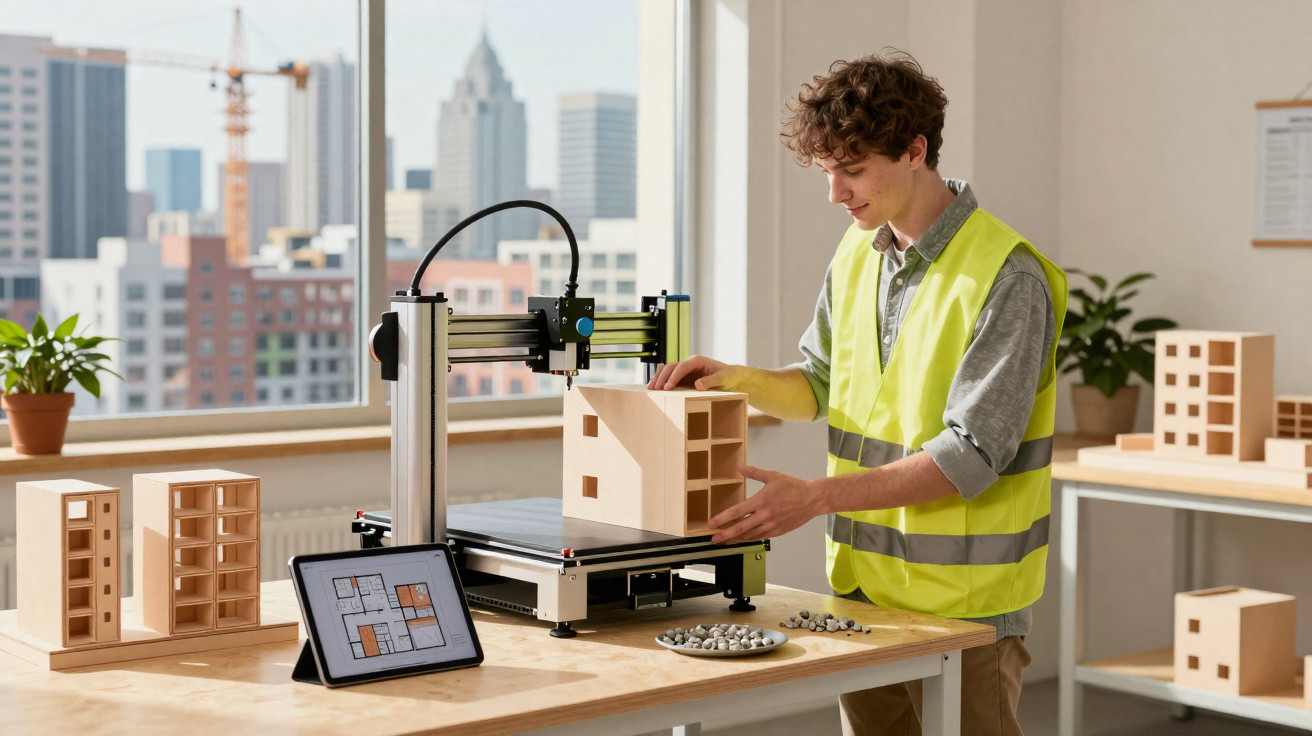
Urban housing is entering a new phase as technological progress radically changes how contemporary homes are built. By automating key stages, this approach shortens build times and cuts costs in innovative projects, delivering practical, efficient solutions for housing.
How does the digital fabrication process work?
Large-scale, computer-controlled equipment lays down successive layers of a specialised concrete compound. Because the system is automated, it removes many human errors in structural measurements, delivering millimetre-level accuracy throughout the planning and delivery of houses built with advanced technology.
Alongside impressive speed, the method also makes it possible to produce curved forms and intricate designs that would be unrealistic using conventional techniques. Experts highlight several advantages of this modern approach, explaining how the concept strengthens development and sustainability in housing.
- ⏱
Incredible speed: Putting up walls in just a few days can dramatically shorten the overall construction timetable. - Less waste: Precise material use can cut waste by up to sixty per cent compared with the traditional model.
- Geometric freedom: Curved, bespoke structures can be created without relying on complex timber formwork.
What are the real advantages for today’s market?
Lower waste is especially appealing because it can generate significant financial savings for those looking to invest in new properties. This innovative technique has drawn the attention of global investors keen to allocate optimised resources to efficient projects.
In addition, faster handover of keys reduces financing interest and helps bring urban spaces into use more quickly. This pace reshapes day-to-day activity on construction sites, setting a new benchmark for productivity and delivering an excellent financial return.
An excellent video shows a large automated machine raising residential walls at remarkable speed. You can watch the details of this modern technological advance on the BBC News Brasil YouTube channel:
How does this technology impact the environment?
Environmental sustainability is one of the foundations of this digital fabrication method, which is transforming today’s housing sector. By using carefully measured input mixes, the machinery can significantly reduce carbon emissions, lowering the environmental impact of works focused on eco-efficiency.
Green and Efficient Construction
Preservation of natural resources
The sharp reduction in solid waste on site demonstrates this new fabrication technology’s ecological commitment. In addition, the carbon footprint is substantially smaller thanks to more efficient transport of materials.
Beyond the clear environmental gains, the technology also brings meaningful improvements to workers’ everyday operating conditions. Looking at the sector’s main shifts, the following points stand out for protecting nature and improving operational safety:
- A drastic drop in leftover concrete on site.
- Less need to transport heavy materials.
- Use of recyclable compounds in the mix formulation.
What are the challenges to global expansion?
Despite the many benefits, large-scale adoption still runs into strict regulatory barriers in several countries. The absence of specific technical standards for approving automated structures slows the commercial rollout of this engineering model, which is strongly centred on innovation.
The upfront cost of large machinery is another major hurdle for small and medium-sized firms in the sector. To clarify what is holding back faster expansion, here are the main challenges faced by project developers and technology creators:
- No standardised legislation for printed structures.
- The need for specialised training for operators.
- High costs to purchase and maintain the machinery.
What will the future of compact housing look like?
The direction of travel suggests modular, automated methods will become the standard for producing functional urban homes. Over time, the combination of digital customisation and rapid execution will redefine what affordable, sustainable housing means for new generations.
As materials and modelling software continue to advance, the boundaries of residential design will be pushed back by practical new solutions. In this way, cities can grow in an orderly manner, providing dignified, safe homes that fit seamlessly with the life of the modern citizen.





Comments
No comments yet. Be the first to comment!
Leave a Comment