
Pacemakers and implantable cardioverter defibrillators respond to magnetic fields once a particular threshold is reached. As a result, electronic devices such as smartphones and wireless earphones can interfere with these devices.
For most people, smartphones, wireless earphones and other consumer electronics present no risk. However, for people fitted with a pacemaker or an implantable cardioverter defibrillator, they may be life-threatening. Why? Implantable cardiovascular devices include a feature known as “magnet mode”, which changes how they operate when exposed to a magnetic field above a certain threshold. Magnets are now found in most everyday electronic gadgets.
How electronic devices can trigger magnet mode
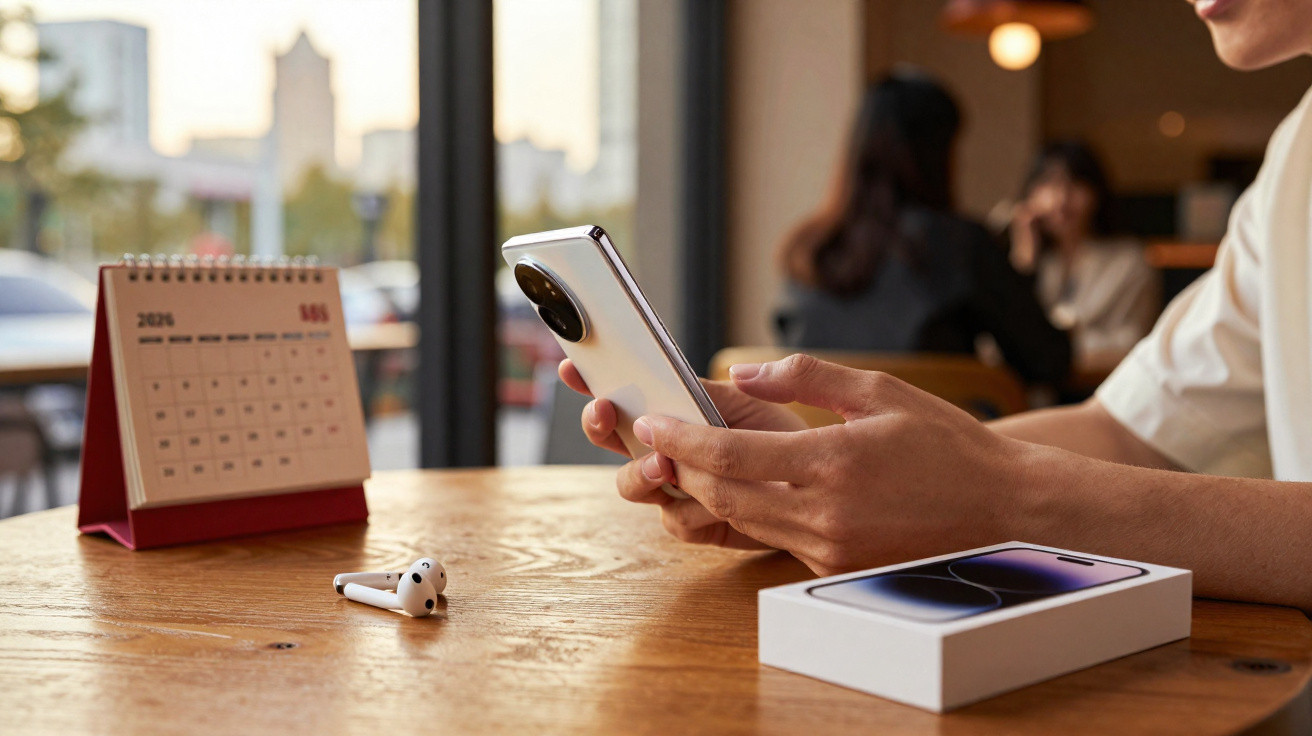
A study published in 2022 in “Circulation: Arrhythmia and Electrophysiology” showed that this “magnet mode” may be activated by a range of tested products, including a smartphone, AirPods Pro and even styluses, when they are placed next to implantable cardiovascular devices. “Our study found that portable electronic devices other than the iPhone 12 have magnetic susceptibility and may therefore potentially inhibit life-saving therapies”, the study’s authors explained.
Precautions for people with a pacemaker or implantable cardioverter defibrillator
In other words, people who wear an implantable cardiovascular device - as well as those around them - should take precautions to avoid activating “magnet mode”. For example, Apple advises keeping all electronic devices away from these implants.
“Most consumer electronic devices, including laptops, tablets, smartphones, wearable devices and audio devices, contain magnets, components and radio modules that emit electromagnetic fields that may interfere with medical devices.* For instance, implanted pacemakers and defibrillators may include sensors that respond to magnets and radio modules when they are in close contact with them”*, states a support page from the Cupertino firm.
Recommended distances from electronic devices
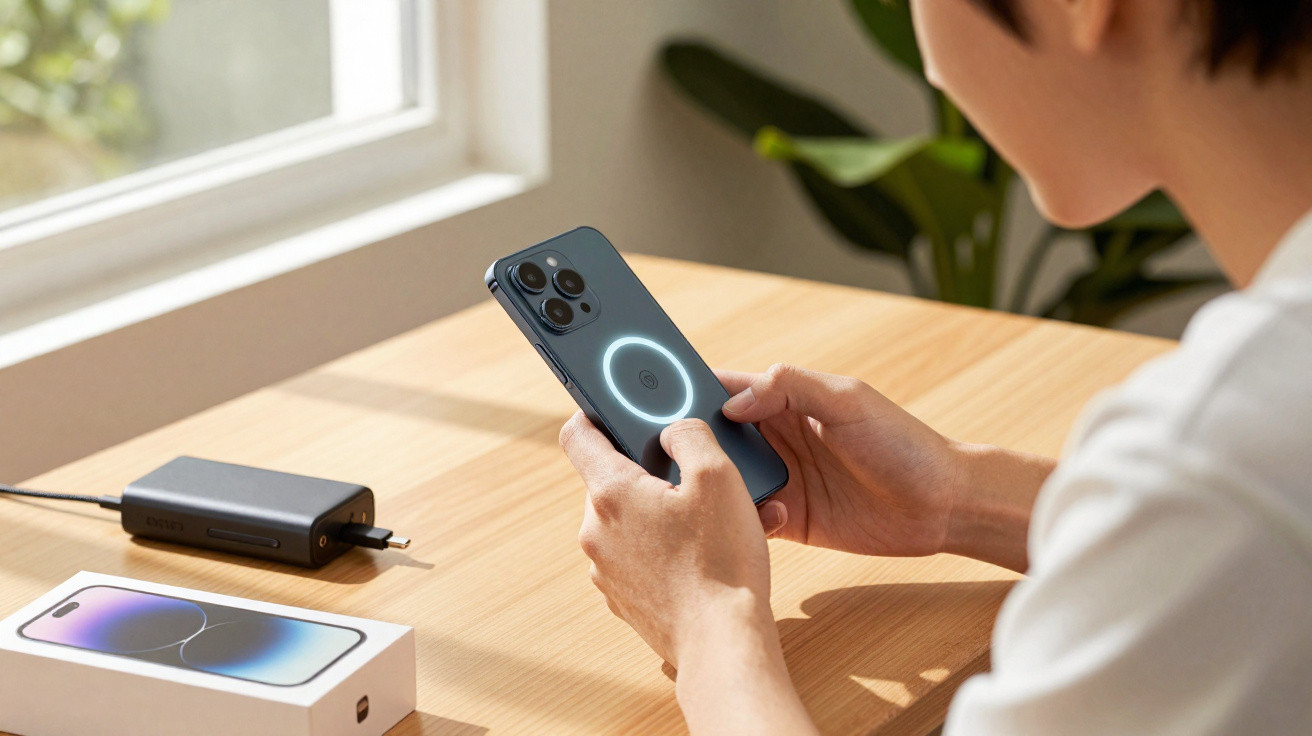
Apple also points out that “most” medical-device manufacturers recommend keeping sources of interference at least “15 centimetres” away, and at least “30 centimetres” away when using a wireless charging device.














Comments
No comments yet. Be the first to comment!
Leave a Comment