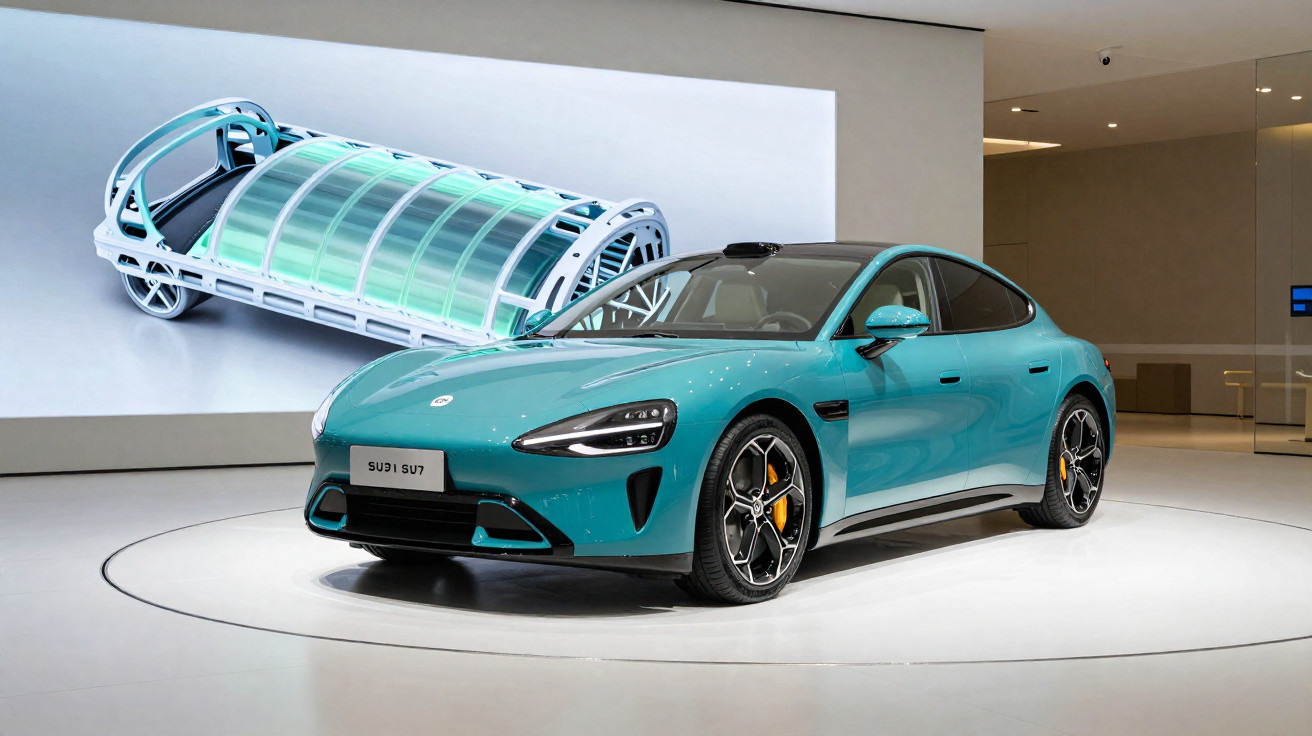
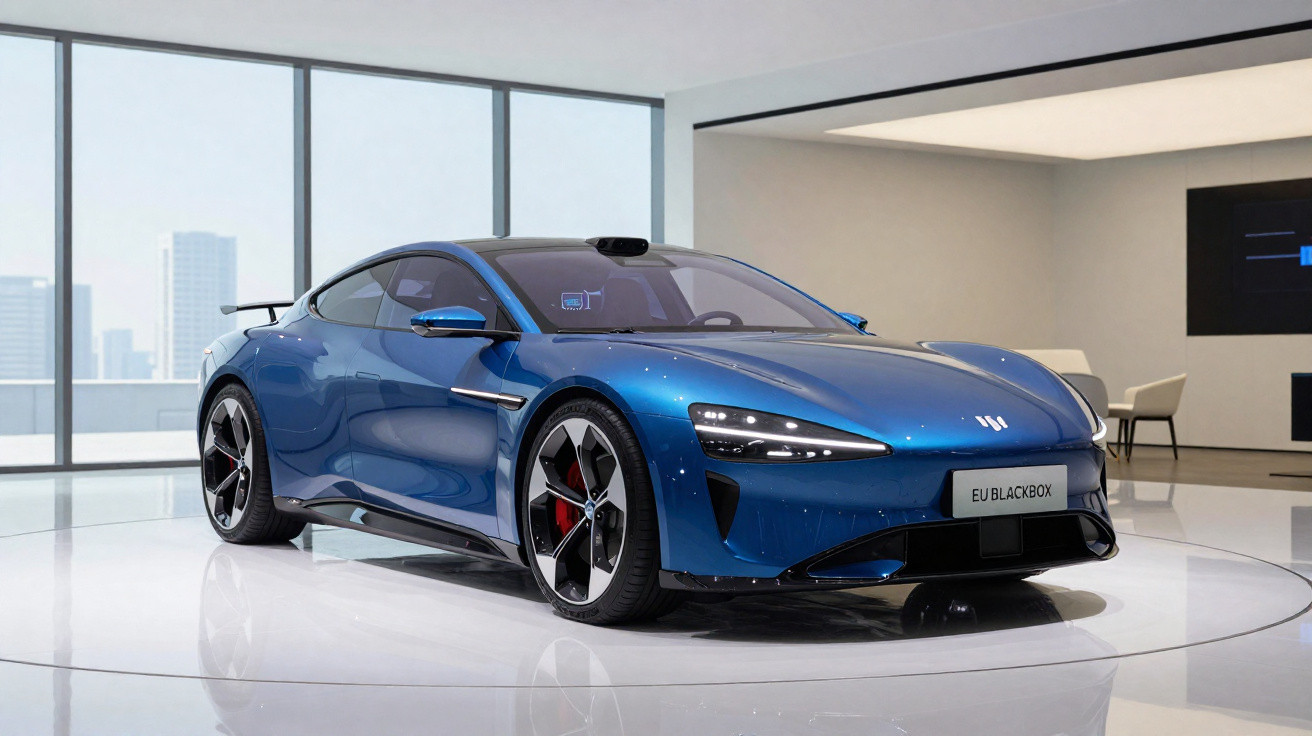
Xiaomi is assembling its batteries in a way no-one else does - quite literally the other way up. In the Xiaomi SU7, the Chinese brand’s electric saloon, the battery cells are fitted with their terminals facing downwards, rather than following the industry’s usual approach.
Xiaomi SU7 battery layout designed for safety
This decision is part of a deliberate push to improve safety and to lower the fire risk in the event of thermal runaway - the term used for the uncontrolled heat escalation that can lead to a battery fire.
With the electrical contacts positioned underneath, any heat leak or flame is directed away from the passenger compartment. This runs counter to the traditional layout, where terminals sit on top, increasing the likelihood of the cabin being exposed to very high temperatures if a fire occurs.
The electrolyte challenge of inverted cells
However, turning cells upside down creates new technical hurdles - starting with how the electrolyte behaves. With the cell mounted in reverse, the liquid inside responds differently under gravity.
To address this, CATL - Xiaomi’s battery supplier - has developed a special electrolyte formula tailored to this new orientation. The overall structure has also been reworked into a “cell-to-body” design, integrated directly into the vehicle’s body structure.
Packaging benefits without bulky electric-car proportions
This mix of inverted cells, advanced thermal insulation and structural integration is what allows the SU7 to keep the proportions of a conventional car, without the pronounced side bulk that many electric vehicles typically have.
Availability in Portugal
As far as the Portuguese market is concerned, the Xiaomi SU7 is only expected to reach national roads after 2027. Portugal is not among this Chinese brand’s priority markets, despite it being best known for its smartphones and consumer electronics.













Comments
No comments yet. Be the first to comment!
Leave a Comment