
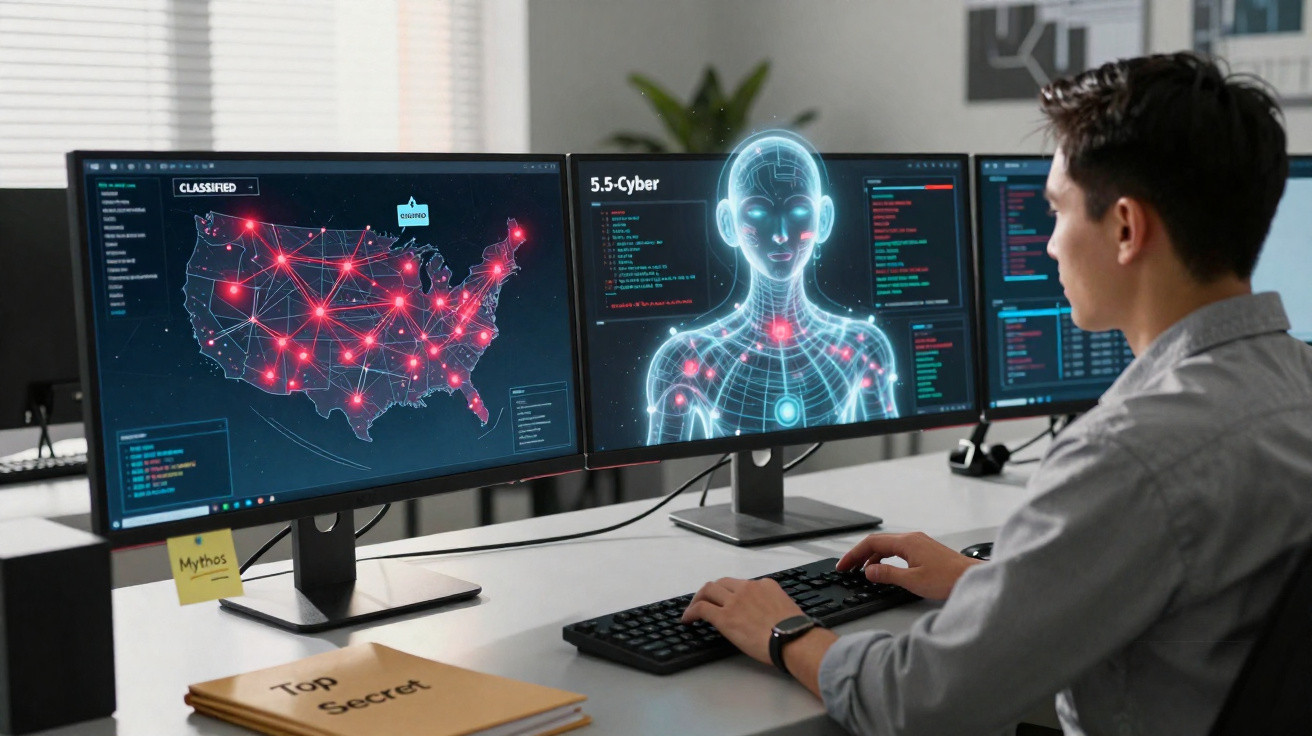
In a matter of hours, Claude Mythos uncovered weaknesses in the American government’s classified, highly secured systems.
How Anthropic’s Claude Mythos was used for defensive security work
Before it was suspended following a government directive, Anthropic’s Claude Mythos model was made available to a small number of organisations chosen by the AI lab to help detect and fix security vulnerabilities.
Mozilla, the organisation behind the Firefox browser, was among the first to use the system. In under two months, it reportedly identified and patched 217 previously unknown security flaws in Firefox.
Beyond mainstream software, Mythos is described as powerful enough to spot gaps even in some of the most locked-down software environments in the world, including NSA classified systems.
Claims of rapid findings on US classified systems
That is the account relayed by a US senator, according to a report published by the Associated Press. During a hearing of a US Congress Senate committee, Democratic senator Mark Warner of Virginia said that Claude Mythos found breaches in almost all classified systems within a few hours. The senator said this information came from General Joshua Rudd, who leads the NSA and the Pentagon’s Cyber Command.
The news agency also cites an anonymous source who says that, during a test, Mythos identified vulnerabilities across sensitive and highly secured government computer systems. The same source added an important caveat: even if the AI could locate flaws within hours, that does not mean it was also able to exploit them within that very short timeframe.
As a reminder, before access was suspended, Anthropic offered Claude Mythos to certain organisations strictly for defensive use.
Claude Mythos remains unavailable, but OpenAI launches a rival model
Those US government tests took place before Anthropic withdrew access to Claude Mythos (and to the consumer-facing version known as Claude Fable 5). However, a cybersecurity-focused model that is said to be even stronger than Mythos in this area has already arrived.
This week, OpenAI presented the full release of its GPT-5.5-Cyber model. It exceeds Claude Mythos’s results on the CyberGym benchmark, which measures how well AI models can discover security vulnerabilities.
Anthropic itself has also said that models with capabilities comparable to Claude Mythos are on the way. The concern, it argues, is that some of these systems could be built by less scrupulous actors. “Given the pace of AI progress, these capabilities will soon become widespread, perhaps even beyond actors committed to deploying them safely. The repercussions - for economies, public safety, and national security - could be severe,” the company warned in April.





Comments
No comments yet. Be the first to comment!
Leave a Comment