
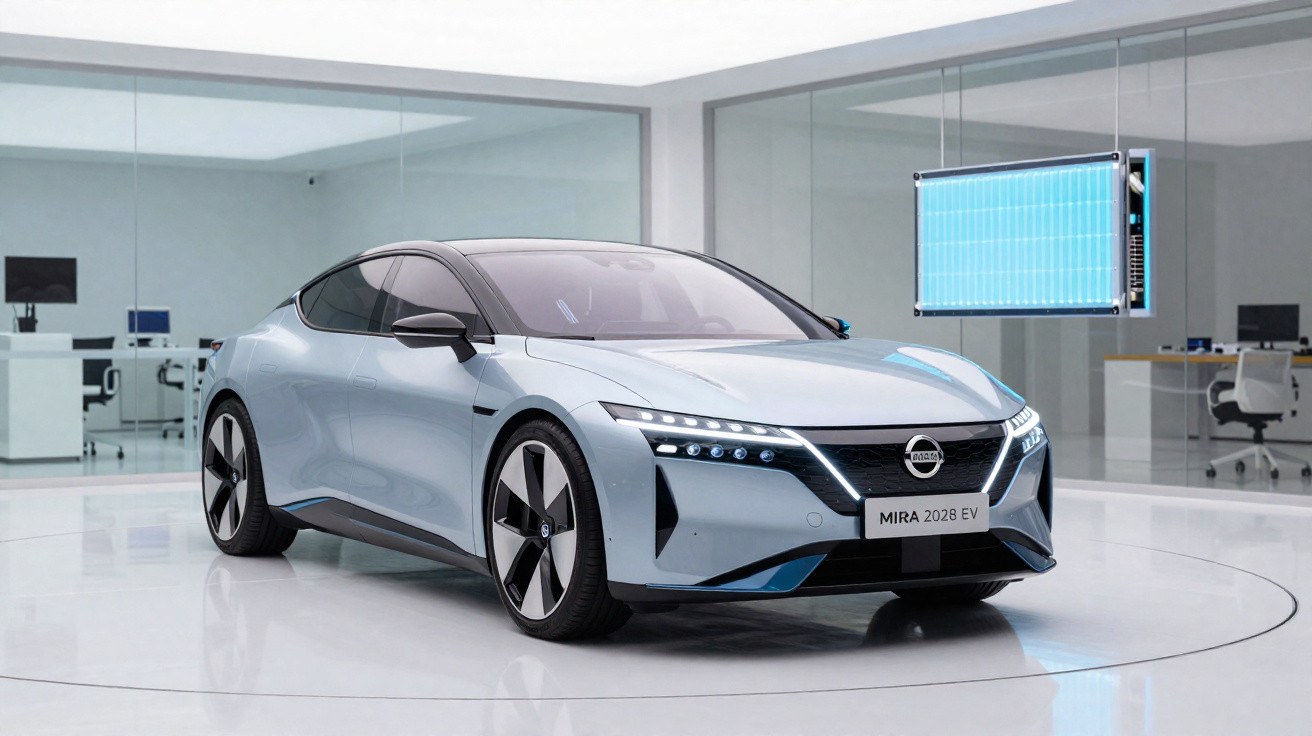
Nissan plans to launch its first electric car powered by solid-state batteries by 2028 and has now unveiled a prototype production unit for this component at its Research Centre in Kanagawa, Japan.
According to Nissan, the prototype facility “has the aim of further accelerating the development of solid-state batteries” and sits within the Japanese car maker’s “Ambition 2030” vision.
Nissan has also made it clear that, within the next six years, it wants to bring to market a fully electric vehicle using solid-state batteries developed “in-house”.
Prototype production unit for Nissan solid-state batteries
To make that happen, the Japanese brand “will install a pilot mass-production line for the first battery prototypes at its Yokohama Plant in fiscal year 2024, with the materials, design and production processes now set to be studied at this Research and Development unit”.
Technology will help cut costs
Nissan says this push into solid-state batteries should help bring down the price of electric cars, with the manufacturer describing the technology as a “paradigm-shifting technology to accelerate the popularity of electric propulsion cars”.
Nissan believes solid-state batteries could reduce costs to 75 dollars per kWh in fiscal year 2028 and to 65 dollars per kWh thereafter, putting electric vehicles on a similar cost footing to petrol-powered models.
Why solid-state batteries could be cheaper and quicker to charge
The reasons are straightforward: this type of battery offers around twice the energy density of conventional lithium-ion batteries, much shorter charging times thanks to stronger charge/discharge performance, and lower costs due to the opportunity to use less expensive materials.
“All the knowledge gained through our experience has enabled us to accumulate important elemental technologies that will now support the development of solid-state batteries,” added Nakaguro.
“From here on, our R&D and manufacturing divisions will continue working together to use this prototype production facility and accelerate the practical application of solid-state batteries,” he concluded.






Comments
No comments yet. Be the first to comment!
Leave a Comment