
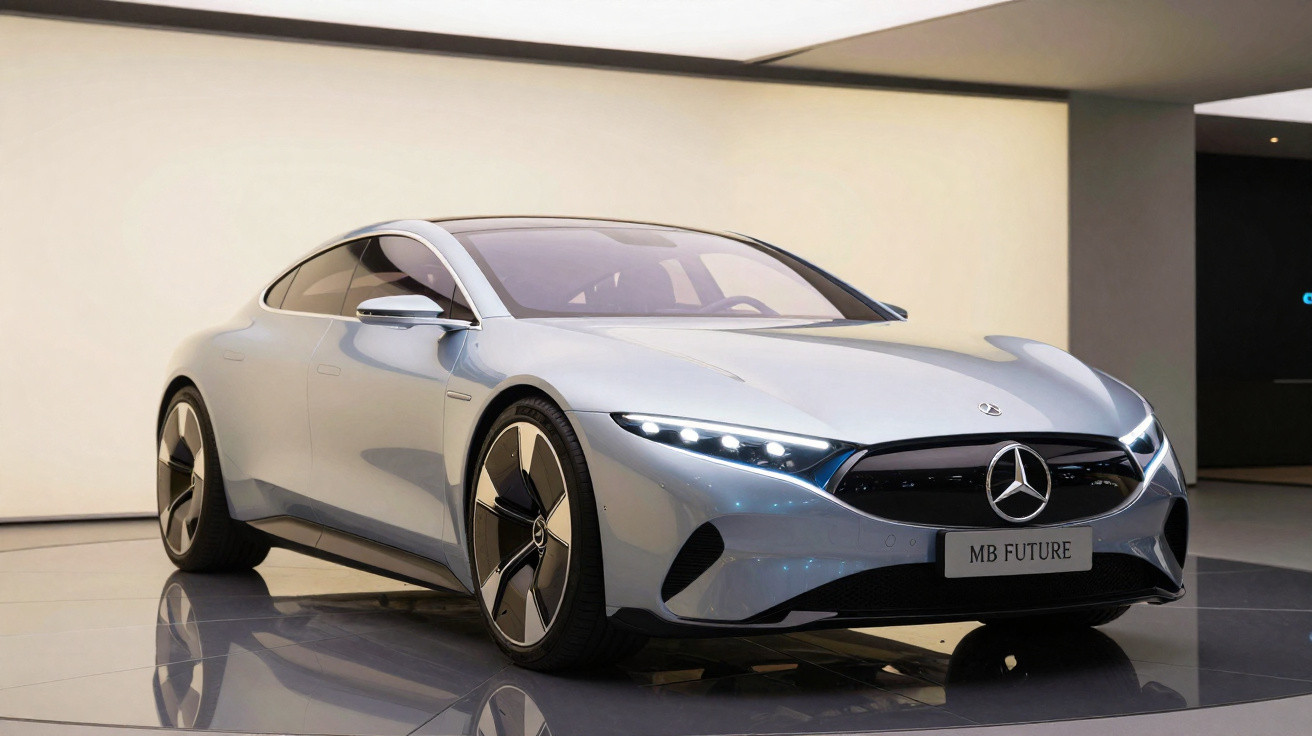
Solid-state batteries have long been billed as the next big breakthrough for electric cars.
That expectation is largely driven by their much higher energy density compared with today’s lithium-ion batteries (which use a liquid electrolyte). In theory, the same capacity could be delivered by a physically smaller, lighter battery pack, bringing clear benefits for packaging and overall vehicle weight.
Mercedes-Benz and Markus Schäfer on solid-state batteries
At CES 2024, however, Mercedes-Benz signalled a different outlook. Speaking during a round-table discussion, the brand’s Chief Technology Officer, Markus Schäfer, suggested that the future may not ultimately depend on solid-state batteries - even though, from a safety standpoint, they still retain a notable advantage.
Solid-state batteries vs lithium-ion batteries
When weighing the strengths and weaknesses of both approaches, solid-state batteries were, until recently, widely viewed as the “industry’s biggest promise” for the automotive sector.
Yet, given the pace of progress in lithium-ion battery development - particularly improvements linked to energy density - Schäfer acknowledges that solid-state batteries may not be essential.
While he says he cannot predict which of the two technologies will ultimately “win the race”, he argues that the advances expected for lithium-ion technology could well outweigh the benefits that solid-state batteries bring.
Lessons from autonomous driving expectations
Schäfer also likens today’s “optimism” around solid-state batteries to the “anticipation of autonomous driving systems”. He points to how the industry had to step back from that technology because of the practical difficulties involved in making it work.
So where does that leave the industry?
The Mercedes-Benz CTO’s remarks run counter to the positive progress that both Nissan and Toyota have reported in relation to solid-state batteries. Both manufacturers plan to begin producing this type of technology in 2028.
Mercedes-Benz, by contrast, has already started investing in lithium-ion battery development firms in the United States and South Korea, alongside its existing partnership with Stellantis and TotalEnergies to manufacture batteries in Europe.
Schäfer also dismissed the idea - raised by other car makers - that prioritising “ultra-fast charging” should be the route to smaller batteries and, in turn, lower electric-vehicle prices.
He justifies this stance by noting that buyers still place significant weight on driving range when choosing a vehicle.
“They (buyers) only think about that trip they take once a year (which needs more range) and that isn’t rational.”
Markus Schäfer, Chief Technology Officer at Mercedes-Benz
Beyond Nissan and Toyota, a number of manufacturers are investing in the development and production of solid-state batteries, citing advantages over lithium-ion batteries: higher energy density, improved safety, longer service life and faster charging.
Even so, production costs are expected to be higher than for today’s lithium-ion batteries, and there are still hurdles to overcome before they can be manufactured at scale.
Source: Autocar




Comments
No comments yet. Be the first to comment!
Leave a Comment