
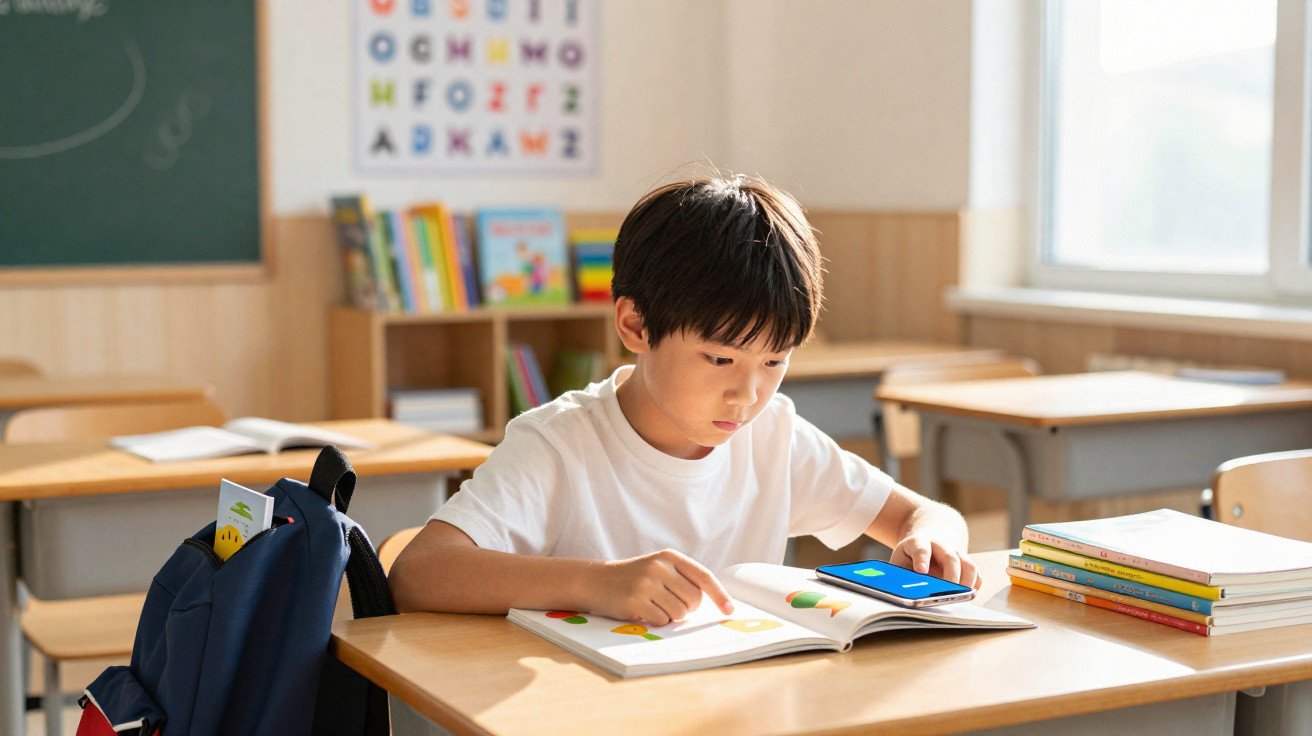
Having a personal mobile phone as part of everyday life for primary school students has sparked important conversations among families. Researchers have found that simply owning a device can be linked to poorer reading comprehension for children during key school assessments that matter for learning.
How does owning a mobile phone affect children’s reading?
Field studies involving primary school students paint a worrying picture of academic performance. Children with their own individual phone show weaker ability to take in and understand written texts compared with classmates who do not have a personal device.
The most striking finding is that the decisive factor is not necessarily the screen time itself. Merely being in the position of owning the phone appears to influence reading ability, regardless of whether the device is used continuously day to day.
How does screen time in early childhood affect the brain?
Early exposure to digital devices before the age of two can change children’s brain development and lead to… Read more
Does the device being in the classroom make a difference?
Many parents assume that banning mobile phone use at school would completely solve children’s learning difficulties. However, the assessments showed that the lower performance remains even when the phone is put away or kept out of reach.
In tests carried out with Year 3 and Year 6 classes, the phone’s physical presence in the room did not change the final outcome. Children who owned a device continued to achieve lower scores in text interpretation.
Below, a video from the KGET News channel on YouTube provides more details on this topic:
Which groups of pupils showed particular patterns in the research?
One especially intriguing point observed during testing involved pupils who do not have English as their first language. In that specific group, those who owned phones showed better reading comprehension than other participants who were assessed.
This particular exception underlines how the effects of technology can shift depending on each young person’s linguistic context. Even so, for the large majority of primary school children, owning a device remains associated with lower attainment.
Key points from the research
Impact on learning - main findings on mobile phone ownership among pupils:
- Individual ownership is linked to lower reading performance;
- The impact appears regardless of whether the phone is used at school;
- A difference was observed among primary school pupils.
Why does early ownership of a mobile phone concern educators?
Choosing to give a child their own phone involves serious thought about a pupil’s maturity in childhood. Parents and educators keep a close watch on direct effects on cognitive development and the reading capacity of new generations.
Understanding more complex texts demands high levels of attention and sustained focus during academic tasks. Introducing personal technologies at an early stage may directly interfere with building these essential habits for childhood learning.
The main factors noted in the day-to-day lives of primary school pupils include:
- Lower performance in reading comprehension tests;
- An effect seen even without using the mobile phone at school;
- Differences in outcomes depending on the pupil’s linguistic background.
How can parents assess when to introduce a first phone?
Ultimately, giving a child an individual device calls for a very careful judgement about the maturity and needs of each child. Keeping an eye on school behaviour and independent study habits helps families decide the right time.
Regular, open conversations between the family and the school community strengthen ongoing support for a pupil’s development. Setting aside daily time devoted solely to reading helps balance technology use with formal education.




Comments
No comments yet. Be the first to comment!
Leave a Comment