
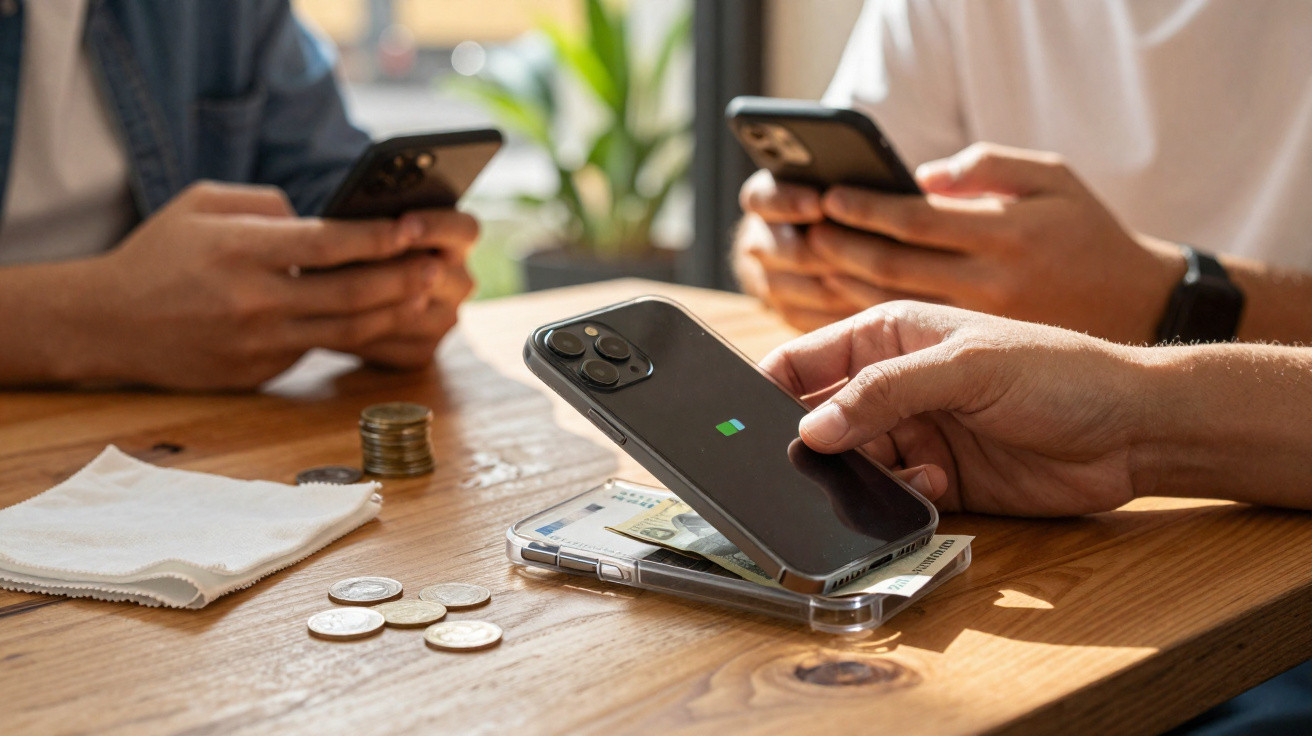
Many people keep banknotes tucked in with their smartphone case for everyday convenience. However, what seems like a harmless habit can hide silent risks that interfere with how the device works, causing serious harm to the lithium-ion battery and gradually undermining the integrity of the internal electronic board.
How does money stored in the case affect the phone?
When banknotes build up inside a case, they take up space the handset needs for proper ventilation. The immediate result is poorer heat dissipation, with sharper temperature spikes that can drastically shorten the lifespan of lithium-based components.
On top of that, physical notes carry invisible grime picked up through daily circulation. Over time, this debris transfers straight to the phone’s internal contact points, leading to major operational faults caused by a kind of microbial contamination that finds its way into the protected smartphone’s circuitry.
What happens when you keep money in your phone case?
The build-up of physical notes creates an invisible barrier that prevents internal heat from escaping and causes serious… Read more
What are the overheating risks for the device?
Heat trapped by paper is one of the most critical threats to hardware. When the phone is running demanding tasks, the energy it generates needs to escape-but the notes act like a blockage, promoting harmful overheating that damages components and the internal battery.
This excessive warmth doesn’t just drag down mobile operating system performance. It also speeds up chemical wear inside the cells, which can lead to dangerous swelling or harmful leaks-rendering the portable device completely unusable and forcing an immediate replacement of the damaged part.
Below is a video from the Tec Pró Cell channel on YouTube that explores the points discussed in this topic in more depth:
How can mechanical pressure break the board?
Protective cases are made to very precise, millimetre-level tolerances to fit a smartphone. When you force one or more folded banknotes into that tight space, you create continuous mechanical pressure on the rear housing-directly impacting the device’s sensitive main logic board.
That constant force can bend internal parts or crack solder joints that are essential for operation. Everyday knocks then become far more destructive because of the pre-existing structural stress, resulting in intermittent faults in the screen or even in the affected phone’s system.
Necessary care
Preserving the device - Avoid serious damage by adopting simple day-to-day practices with your mobile:
- 1
Use suitable wallets to store physical cash; - 2
Clean the case regularly to remove impurities; - 3
Allow the device’s heat to dissipate freely.
Why is cross-contamination a real danger?
Paper money passes through countless hands and unsanitary places during circulation. When you slip it under a protective plastic case, you create a warm, poorly ventilated environment that’s ideal for the rapid spread of dangerous bacteria and harmful fungi.
All of that concentrated dirt is then transferred to your hands and face during everyday calls. This lack of hygiene can trigger skin infections or severe allergies, exposing your body to unnecessary risks created by the harmful habit of storing money this way.
Consider the main reasons to change this behaviour immediately:
- Immediate reduction in internal dirt build-up;
- Improved natural thermal dissipation of the hardware;
- Physical protection of the structure against excessive pressure.
How can you protect your smartphone properly?
The safest way to carry money is to use a traditional wallet or switch to digital payments. Dropping this habit helps preserve the phone’s physical integrity, avoiding unexpected repair bills and keeping the battery working properly for much longer time.
Keeping your smartphone clean and free from physical obstructions is essential if you want to enjoy its full technological capability without headaches. Small shifts in routine bring big long-term benefits, protecting the valuable investment you’ve made in your portable daily communication device.






Comments
No comments yet. Be the first to comment!
Leave a Comment