
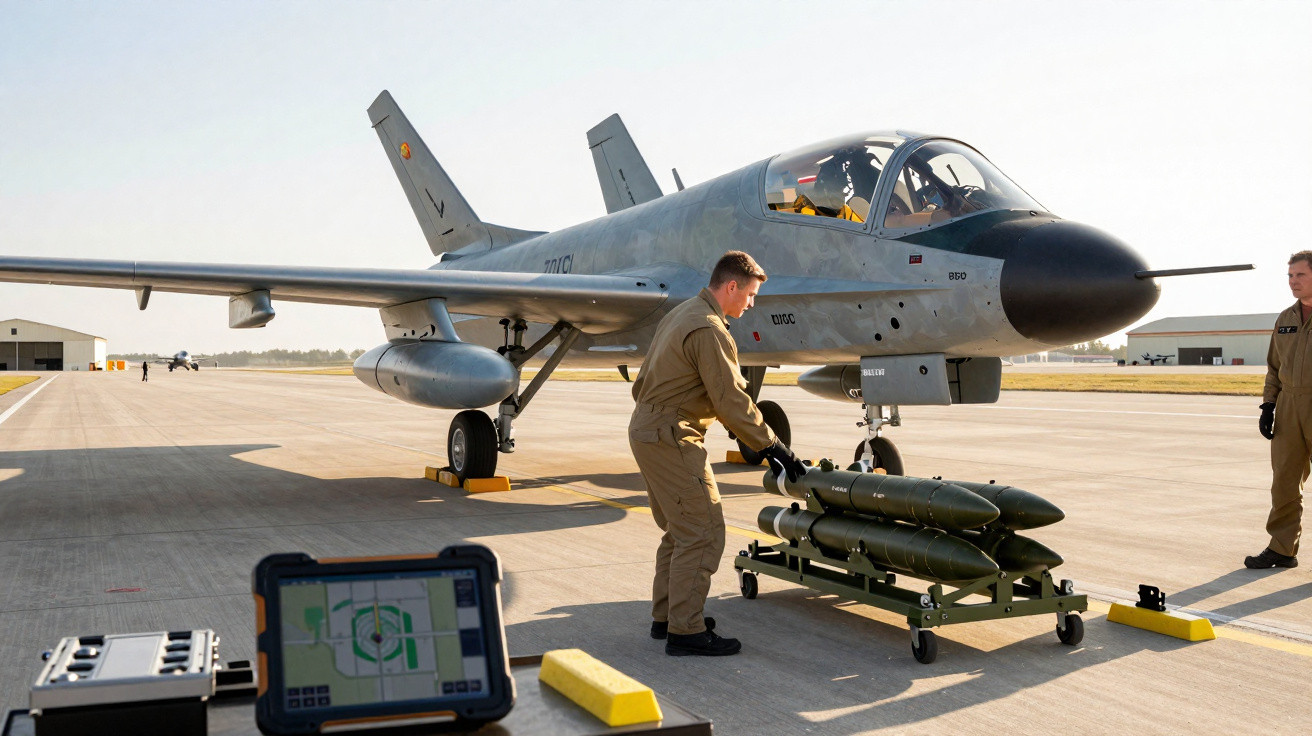
MQ-9 Reaper and GBU-39B SDB integration within AFSOC
During spring 2026, the United States Air Force Special Operations Command (AFSOC) MQ-9 Reaper drone fleet assigned to the 27th Special Operations Wing (27th SOW) brought the GBU-39B Small Diameter Bomb (SDB) glide bomb into its operational weapons set. The move is intended to broaden the MQ-9 Reaper’s precision-strike options when supporting special operations forces across a range of combat environments.
GBU-39B capabilities: range, precision and reduced collateral effects
The GBU-39B was developed to limit collateral damage while offering scalable strike effects through an all-weather precision guidance system. A key feature is its extended reach: when released at sufficient altitude and speed, it can glide to roughly 96 kilometres, hitting targets with an error margin of close to 1 metre. This enables MQ-9s to conduct strikes while remaining outside the reach of many ground-based air defences.
“The range of the GBU-39 ensures we can remain in the fight under hostile threats and continue solving the joint force’s most complex tactical problems,” said US Air Force lieutenant colonel Joshua Swann, commander of an MQ-9 squadron assigned to the 27th Special Operations Wing. He added that the current operating environment requires forces to contend with threats that are becoming increasingly complex and layered.
Carriage, warhead and mission endurance for the 27th SOW
The GBU-39B weighs about 113 kilograms and carries an explosive charge of around 16 kilograms, with a warhead capable of penetrating up to 1 metre of steel-reinforced concrete. MQ-9 Reapers carry the weapon using the BRU-78 Dual Carriage System, developed specifically for the platform to increase the number of smaller munitions that can be employed during a single mission.
“When we strike targets, our intent is to maximise effects and minimise collateral damage,” explained an MQ-9 pilot from the 27th Special Operations Wing. In their view, being able to carry a larger quantity of lower-yield munitions allows the aircraft to remain on station longer and deliver more sustained support to troops deployed on the ground.
Service history and growing international interest
The GBU-39B entered US Air Force (USAF) service in 2006 and has since been used on more than 17,000 occasions by the United States and allied countries. Its employment has been recorded in counter-terrorism missions as well as large-scale conventional conflicts, including on platforms such as the AC-130 Ghostrider II gunship-also operated by the 27th Special Operations Wing.
“The GBU-39 is one of our most versatile munitions,” said lieutenant colonel Clifford Lucas, commander of an AC-130 squadron assigned to the 27th Special Operations Wing. He noted that adding this level of adaptable firepower gives US forces tailored tools for neutralising threats across different types of operational scenarios.
The fielding of these guided glide bombs also comes amid rising international demand for the GBU-39/B. In March 2026, the US government approved the potential sale of GBU-39/B glide bombs and JDAM kits to the United Arab Emirates (UAE), valued at an estimated US$ 644 million, to equip its F-16 Fighting Falcon fighters. That same month, Israel confirmed the purchase of up to 5,000 GBU-39/B SDB-I guided bombs from Boeing under a contract worth US$ 289 million, aimed at strengthening its air force capabilities.





Comments
No comments yet. Be the first to comment!
Leave a Comment