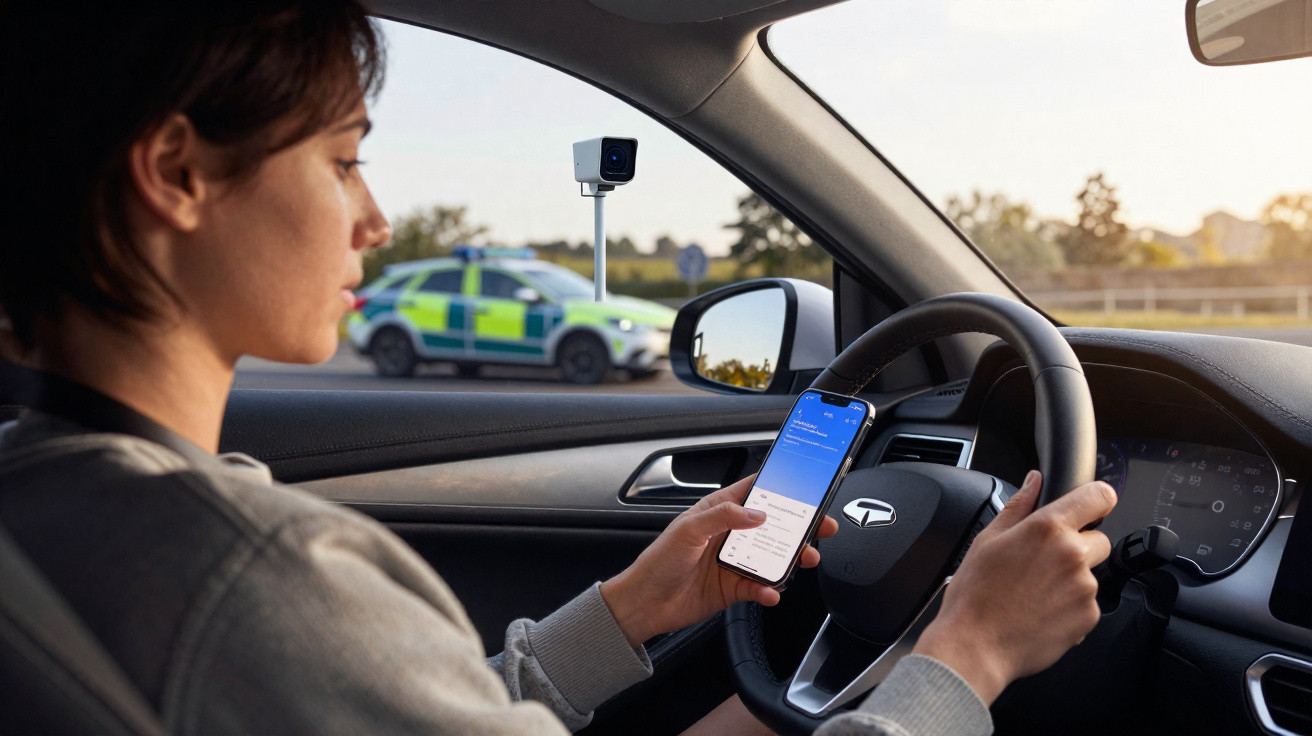
A low-key rollout is under way on UK roads: police are trialling AI-enabled cameras that can detect a phone held in your hand or an unfastened seat belt at motorway speeds. The equipment resembles an ordinary roadside camera or a white van fitted with a mast, but it monitors small movements drivers may scarcely notice. Its purpose is to reduce collisions - while also meaning fines may arrive through the letterbox long after a supposedly harmless glance down.
Instinct takes over: thumb on screen, with a vow that it will only take a second. Above the carriageway, a black unit with a slim lens watches from above like an unhurried hawk.
Another motorist later recounts a similar experience: a grey day, crawling traffic, a casual swipe to alter a playlist, nothing remarkable. Then, weeks afterwards, a letter arrives containing a stark image and reference number. It happens in a blink.
You never noticed it.
Why police are turning to AI cameras now
Scrolling habits did not remain in kitchens or on sofas. They found their way into vehicle cabins, one “quick check” after another. Officers report near-misses resembling sleepwalking: heads lowered, cars edging across lanes and brake lights coming on too late.
The cameras have been introduced because patrol vehicles cannot be everywhere. They reveal distracted driving even when motorists believe they disappear into the flow of traffic.
During trials in England, these systems identified thousands of suspected offences within days rather than months. A camera positioned high up looks through windscreens at an angle, with infrared technology helping it see through rain, twilight and glare.
Photographs do not automatically become fines. Every alert is examined by trained staff, who establish whether someone is holding a phone or has failed to fasten their belt. The technology detects the instant; a person verifies what happened.
The reasoning is straightforward: distraction is fatal. Enforcement limited to occasions when a patrol sees you has little effect on behaviour. AI-assisted cameras work as a magnifier, extending scarce resources so officers can act where it matters most.
Public expectation plays a role too. When phone use is prohibited, people expect that rule to be enforced consistently, rather than only against the unfortunate drivers spotted by a police motorcyclist at traffic lights.
What “using” your phone means - and what it may cost
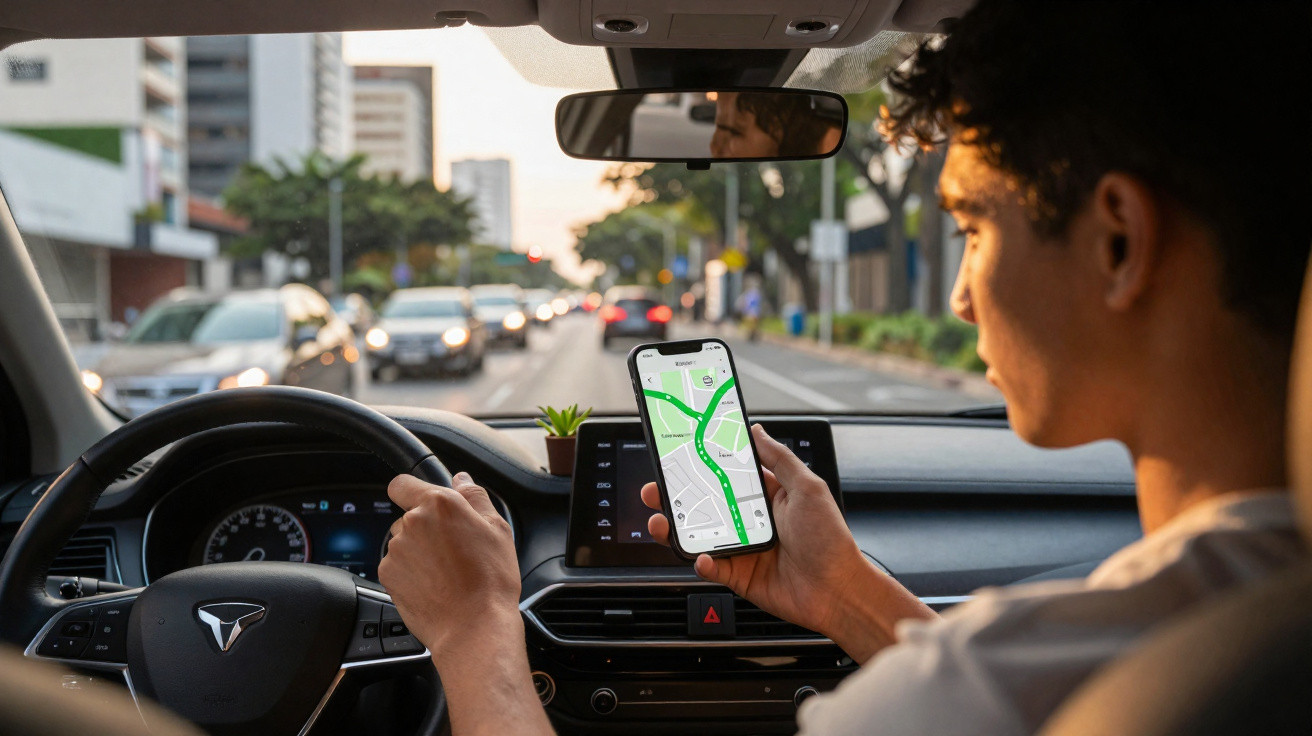
The rules on phones are broader than many motorists realise. Handling a handheld device for any purpose - including scrolling, unlocking it, photographing something or checking a map - is an offence when you are at the wheel, even while stationary in traffic.
A phone cradle and voice control can help. Better still, put the phone in the glove box and enable Do Not Disturb while driving.
On a hectic day, excuses soon accumulate. You are running late, the sat nav has frozen or the playlist has gone wrong. Everyone knows the feeling when a notification seems both pressing and harmless.
In truth, nobody really follows that routine every day. The law is unconcerned whether it took three seconds. If the engine is running and you are holding the phone, you are liable. The same restrictions also apply when you are supervising a learner driver.
This is where the financial penalty applies. Using a handheld device while driving carries a £200 fine and six penalty points. If the case goes to court, fines may rise to £1,000 in a car (or £2,500 in a lorry or bus), and serious cases may result in disqualification.
Failing to wear a seat belt will generally mean a £100 fixed penalty, increasing to £500 in court. For people who passed their test less than two years ago, new drivers can lose their licence once they reach six points. One phone offence is enough to reach that threshold.
“We’re not out to catch people for the sake of a scorecard,” a road safety officer told me during a roadside demo. “The goal is to stop the crash that ruins someone’s life at 3pm on a Tuesday.”
- Phone in hand: £200 fixed penalty + 6 points; courts can raise the fine and impose driving bans.
- Seat belt: £100 fixed penalty; up to £500 in court; applies to drivers and most passengers.
- Being stopped at lights or in a traffic jam still counts as driving when the engine is running.
- Hands-free use is permitted, although you may still be charged if you are not in proper control.
- Exemptions cover emergency calls to 999/112 and contactless payments at drive-throughs while stationary.
How AI cameras work - and what this means for you
These cameras are generally installed high up - on gantries, bridges or telescopic masts attached to vans - allowing them to look down into vehicle cabins. A rapid shutter and infrared illumination capture the instant your hand raises a phone or your seat belt lies loose across your shoulder. Machine-learning models identify probable offences in real time before human reviewers assess them. Where they agree an image shows an offence, the system links the registration plate and location, and a Notice of Intended Prosecution may be sent by post, normally within 14 days. Where no offence is confirmed, the images are deleted. The point is not Big Brother, but certainty: the quick look you told yourself was acceptable is exactly the moment the camera records. Some forces also use educational periods before imposing fines, issuing warning letters intended to change habits. That minor, easily forgotten moment behind the wheel gains a second existence on paper - and alters behaviour.
| Key point | Detail | Why it matters to readers |
|---|---|---|
| AI cameras target phone use and seat belts | High-angle infrared images identify likely offences; people verify them | Understand what is monitored and why the photographs can be so clear |
| Penalties are severe and swift | £200 + 6 points for phones; £100 for seat belts; more in court | Know the actual price of a “quick check” |
| Practical ways to stay safe - and legal | Cradle + voice control, Do Not Disturb, glove box habit | Straightforward routines that remove temptation and risk |













Comments
No comments yet. Be the first to comment!
Leave a Comment